


Justices seem to favor keeping Fed governor in place amid legal fight over her firing
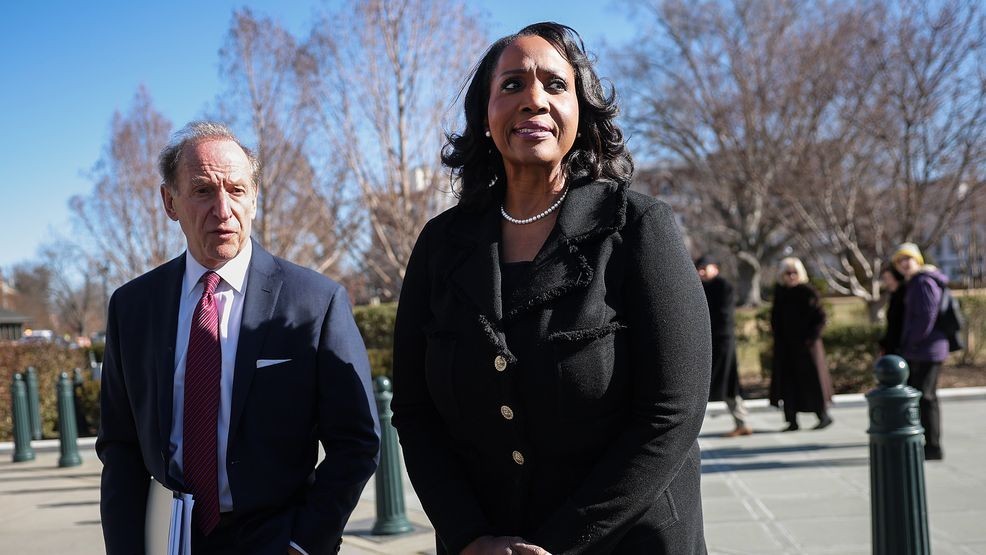
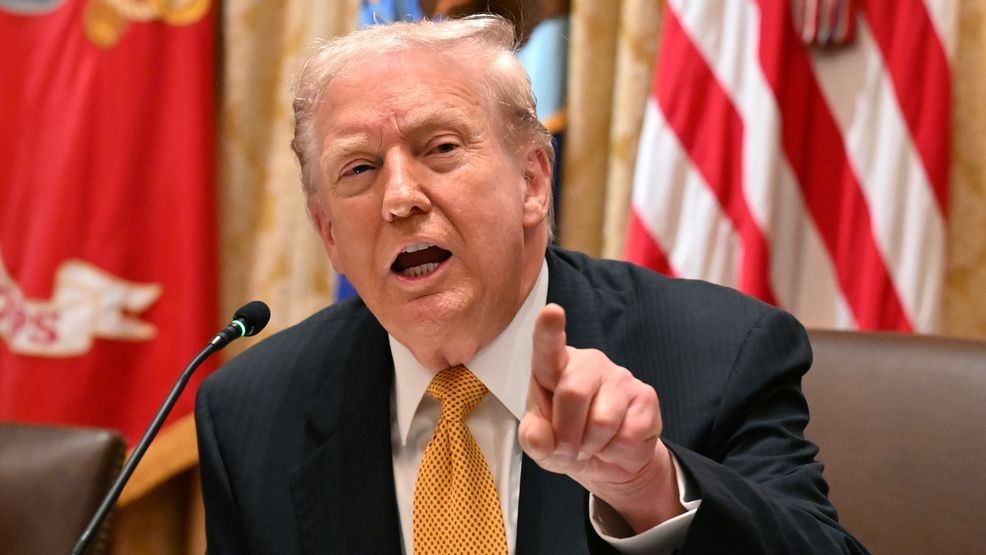
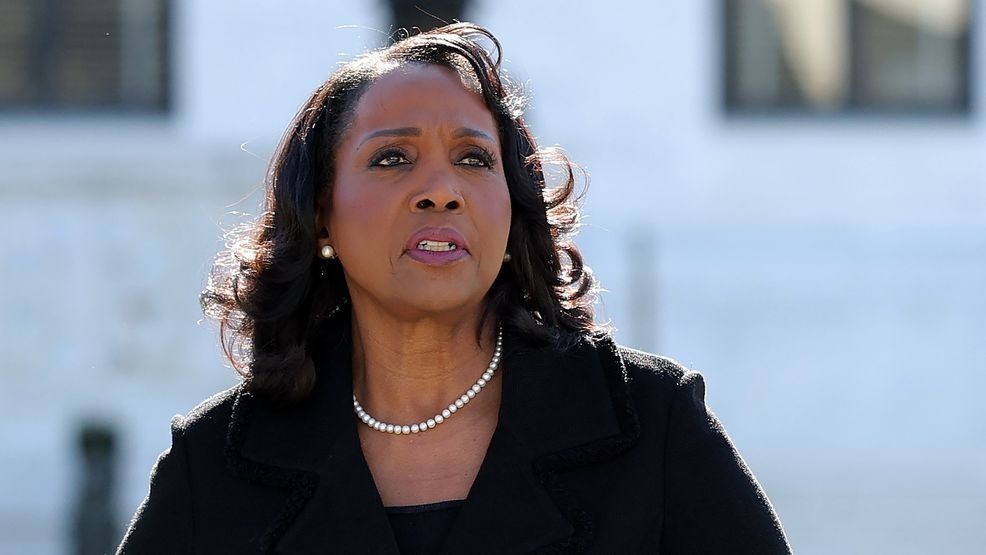
(TNND) — Supreme Court justices didn't appear ready to let President Donald Trump remove Federal Reserve governor Lisa Cook from her position while her contested firing plays out in the legal system.
A decision will come at a later date, but oral arguments were held Wednesday morning.
Trump is trying to remove a sitting Fed governor for the first time in the independent central bank’s 112-year history.
Trump called for Cook’s resignation Aug. 20 based on allegations of mortgage fraud and shared a dismissal letter on Truth Social five days later, citing a criminal referral and accusing Cook of “deceitful and potentially criminal conduct in a financial matter.”
Cook, who hasn’t been charged with a crime and denies wrongdoing, is accused by Trump and administration officials, including U.S. Federal Housing Director Bill Pulte, of claiming two homes as principal residences on mortgage applications in 2021, before she became a Fed governor.
A lower court ruled that Cook could stay in her position while she challenged her dismissal, but the Trump administration sought emergency relief from the Supreme Court to allow Cook’s firing to proceed.
The justices on Wednesday weren’t looking specifically at the merits of Cook’s firing, though those details were intertwined in the discussion over the government’s request to lift the hold on her removal.
Solicitor General D. John Sauer told the justices that gross negligence or deceit by a financial regulator in financial transactions, as alleged in this case, gives the president adequate cause for removing a Fed governor.
“The American people should not have their interest rates determined by someone who was, at best, grossly negligent in obtaining favorable interest rates for herself,” Sauer said on behalf of the administration.
Chief Justice John Roberts asked if an inadvertent mistake contradicted by other documents in the record would constitute deceit in the administration’s eyes.
Sauer said it would.
“So, it doesn’t make a difference whether this was an inadvertent mistake or whether it was a devious way to get a better interest rate. It doesn’t matter for you, right?” Roberts said.
Attorney Paul Clement, arguing on behalf of Cook, said Cook wasn’t afforded the opportunity to provide evidence to defend her conduct to an unbiased decision-maker.
And Clement argued that without some kind of accountability structure in place, a president could use a firing they claim is “for cause” to remove a Fed governor over politics or policy disputes, giving the president unintended power to influence the independent central bank.
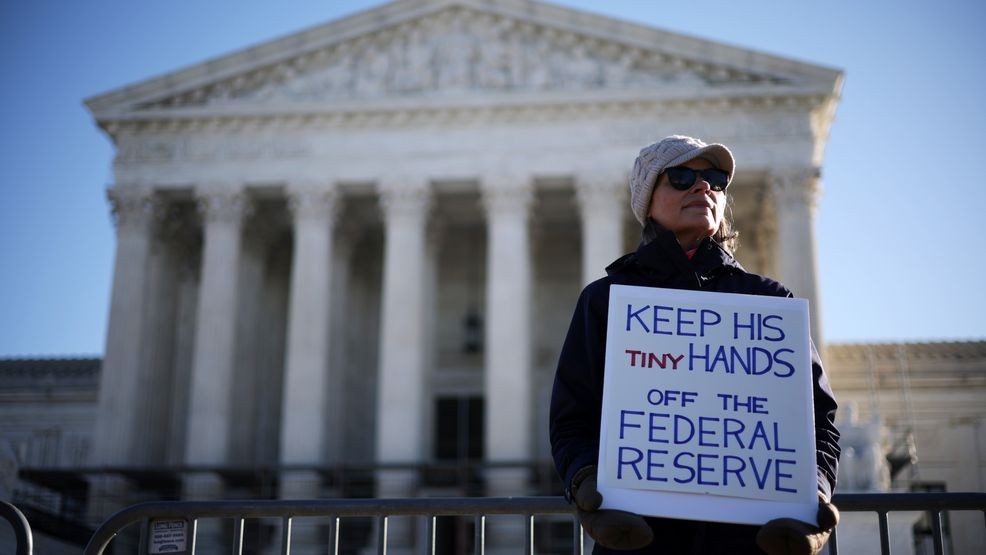
Justice Brett Kavanaugh, who was appointed by Trump, raised similar concerns over how the Fed’s independence could be threatened if presidents have great leeway to fire Fed governors.
“If this were set as a precedent, it seems to me, just thinking big picture, what goes around comes around,” Kavanaugh said. “All the current president’s appointees would likely be removed for cause on Jan. 20, 2029, if there’s a Democratic president, or Jan. 20, 2033. And then, we’re really at at-will removal. So, what are we doing here?”
Justice Amy Coney Barrett, another Trump pick for the court, raised concerns that allowing Trump to fire a governor of the independent central bank could rattle markets, to which Sauer said the markets did just fine after Trump announced Cook’s dismissal back in August.
Roberts questioned the value of Cook getting a hearing with the president to plead her case to keep her job if their only argument is that she simply made a mistake when she allegedly claimed multiple homes as her primary residence.
“I'm not sure I understand exactly what you want a hearing for,” Roberts said. “If your argument is inadvertence, it doesn't seem to me that there's much you can say factually other than that. You can't say, ‘Well, this is why we did it, and this is OK and all that.’ It's just an inadvertent mistake. Now, there obviously are a lot of legal questions to be addressed, but, again, those are questions for the court, a court, and not the basis for a factual hearing. You don't have anything, you have one sentence to say: It was inadvertent mistake.”
Justice Ketanji Brown Jackson, a nominee of former President Joe Biden, questioned the alleged harm of allowing Cook to stay in office as her challenge unfolds.
“The question is to what extent do we believe that the president or the public is harmed by allowing Ms. Cook to remain in her position for the pendency of this case,” Jackson said. “I’m not sure that we have evidence here that Ms. Cook is an immediate threat to the public, that she’s been in this position for a long time, the kinds of things you’re pointing to, as Justice Sotomayor indicates, are not related to conduct while in office.”