

NBC 10 I-Team: Local solar companies shutter, leaving homeowners with unanswered questions
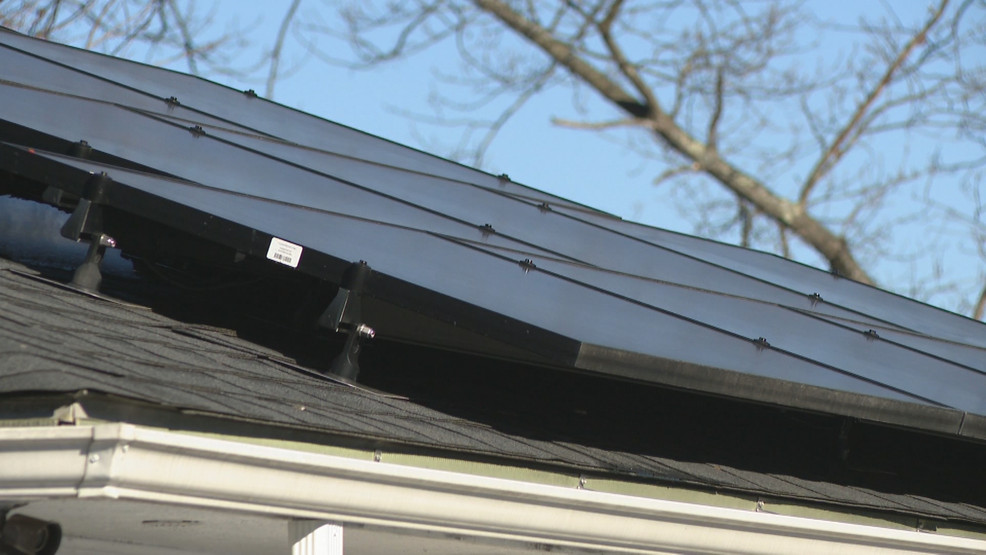
PROVIDENCE, R.I. (WJAR) — The solar industry is facing a wave of company closures across the country, raising concerns for homeowners who invested thousands of dollars in rooftop systems and now may be left without support.
From Rhode Island to California, dozens of residential solar installers have gone out of business, many filing for bankruptcy.
According to investment firm Roth Capital Partners, more than 100 residential solar dealers and installers in the United States declared bankruptcy in late 2023 alone.
As a result, homeowners are facing unanswered questions, fewer service options, and voided warranties.
"We have seen a lot of solar companies close, here nearby and nationwide," said Mallory Flowers, an assistant professor of management at the University of Rhode Island.
Paula Fleming of the Better Business Bureau said several factors are driving the downturn.
"High upfront costs and cash flow strain is obviously something that’s been an issue," Fleming said.
Supply-chain problems, oversaturation, and rising interest rates have also become a problem.
Here in New England, at least a dozen solar panel companies have shuttered over the past year, according to data from the Better Business Bureau.
One of them, Smart Green Solar, is being sued by the Rhode Island Attorney General's office over alleged deceptive practices.
Flowers said lawsuits and negative headlines may be contributing to a lack of consumer confidence.
"If you’re going to spend this much money on the investment, you need to be able to trust the company," Flowers said. "I do think that has an impact."
But she said broader economic and policy shifts are also weighing heavily on the industry.
A key blow came with the expiration of the 30% federal residential solar tax credit at the end of 2025. The credit allowed homeowners to deduct a portion of installation costs from their federal taxes.
"Without that tax credit, it’s a lot harder," Flowers said. "The entire cost falls on the homeowner."
Flowers also pointed to bankruptcies among major solar lenders and rising costs driven by tariffs on imported solar technology.
"We are sourcing a lot of our technologies from abroad, and tariffs wind up dramatically increasing the cost of panels," she said.
Rhode Island Department of Business Regulation Director Beth Dwyer said her agency received 15 complaints over the past year related to solar companies closing.
None of those companies were registered with the department.
"Now people are wondering, 'Well, what do I do if the company is out of business?'" Dwyer said. "It's definitely an issue."
While solar companies are legally required to register with the state, regulators cannot require them to have contingency plans for sudden closures.
Dwyer urged consumers to ask companies, in writing, what would happen if the business shuts down.
"I would always ask for that," she said.
The Rhode Island Office of Energy Resources said issues such as repairs, warranties and billing are governed by individual contracts.
If a contract does not address what happens if a company goes out of business, homeowners may have little recourse.
"We do what we can, but the government can’t fix it for you," Dwyer said.
If closures continue, Dwyer said lawmakers may need to consider whether solar companies should be required to spell out closure plans for customers.
"It's definitely something the Legislature might want to consider," she said.
Homeowners whose solar companies have closed can typically hire another licensed installer for service or repairs.
Any warranties issued by the defunct company, however, are likely no longer valid.