


Supreme Court appears poised to uphold state bans on transgender athletes in female sports
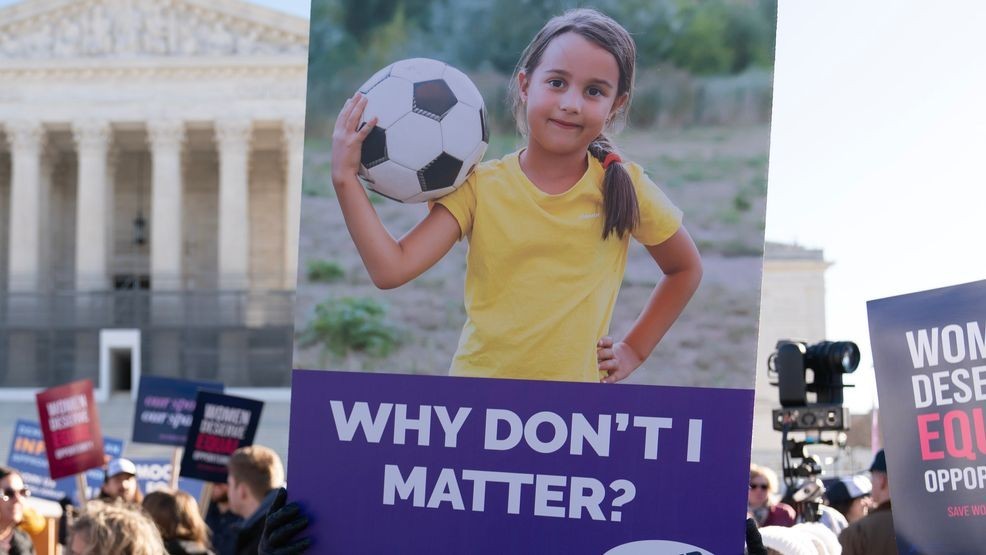
WASHINGTON (TNND) — The Supreme Court on Tuesday appeared ready to uphold state laws that ban transgender athletes who identify as female from participating in girls' and women's sports at public schools.
Lower courts ruled for the transgender athletes in Idaho and West Virginia who challenged the state bans, but the conservative-dominated Supreme Court gave no indication after more than three hours of arguments that it would follow suit.
Instead, at least five of the six conservatives on the nine-member court indicated they would rule that the laws don't violate either the Constitution or the landmark Title IX law, which prohibits discrimination in education and female sports.
The cases, Little v. Hecox and West Virginia v. B.P.J., challenge state laws in Idaho and West Virginia that restrict participation in school sports based on biological sex. At the center of the dispute are interpretations of Title IX and the Constitution’s Equal Protection Clause.
At least 27 states enacted laws prohibiting transgender athletes who identify as female from competing on female teams. Lower courts blocked those laws, finding they violated federal nondiscrimination protections, prompting the Republican-led states to appeal to the nation’s highest court.
West Virginia Attorney General JB McCuskey said the issue goes beyond legal theory.
“It’s about Title IX. It’s about equal protection, and it’s also about common sense,” McCuskey told Fox News Digital. “But mostly it’s about protecting women in both academia and on the athletic field.”
Oral arguments in both cases started at 10 a.m. Tuesday and wrapped up shortly after 1 p.m.
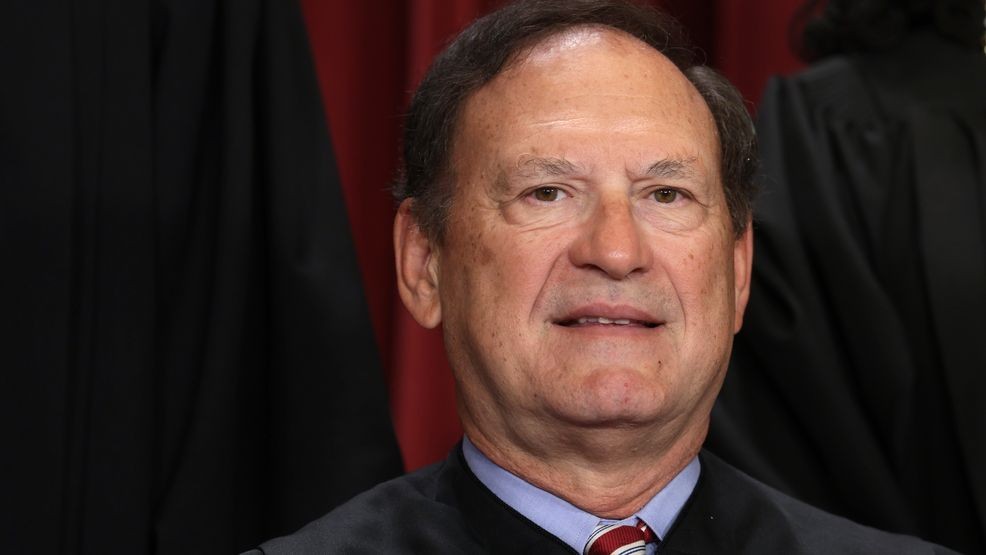
During the proceedings, Justice Samuel Alito, who was nominated by former President George W. Bush, criticized Kathleen R. Hartnett, an attorney for a biological male athlete.
Alito posed a question, asking Hartnett that if a school has a both male and female track teams, but a male student -- who isn't taking puberty blockers or female hormones, as well as hasn't had gender-altering surgery, but identifies as female and wants to participate on the female team -- can the school tell that student they are not allowed to participate?
Hartnett said thinks the school can bar that student.
Alito then asked her, is that person not a woman in your understanding? If the person says, 'I sincerely believe I am a woman and in fact am a woman.' Is that person not a woman?"
Hartnett said she would "respect their self-identity in addressing the person," but in terms of the statute, she said she thinks the question is whether that person has a sex-based biological advantage that's going to make it unfair for that person to be part of the female team.
"That's the rationale for the regulation," she said.
Alito snapped back, as he said Hartnett seemed to be saying the school can discriminate on the basis of transgender status because "if this person is a trans woman -- a trans girl -- and is barred from the girls' team, then that person is being subjected to differential treatment based on transgender status, right?"
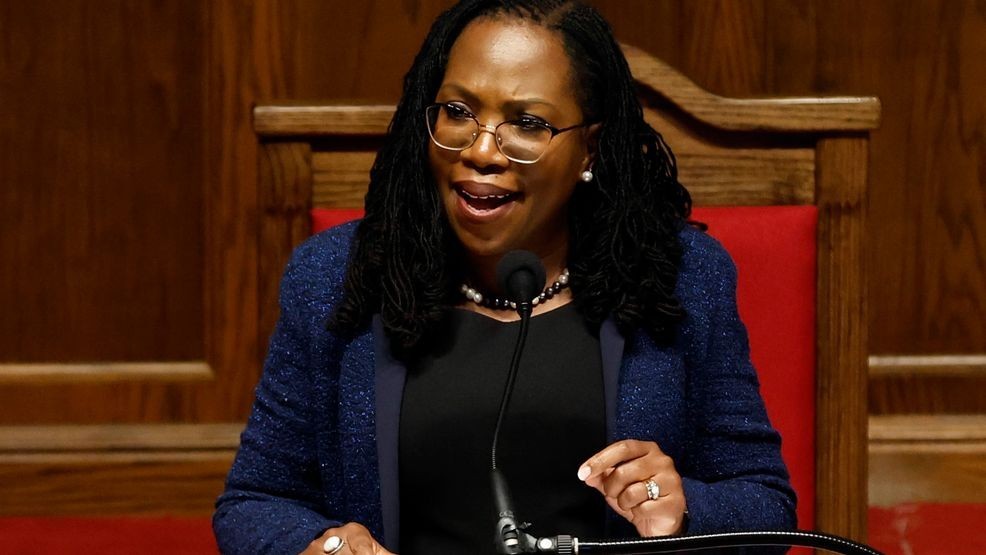
Meanwhile, Justice Ketanji Jackson, who was nominated by former President Joe Biden, is an advocate for transgender rights. She defended males competing in female sports.
She said the law distinguishes between transgender individuals based on whether medical interventions have altered factors related to physical competition and safety. In this interpretation, individuals who no longer present the concerns cited by Idaho are being treated as a separate category, meaning the law does not apply uniformly to all members of the broader class.
In Little v. Hecox, plaintiff Lindsay Hecox, a transgender woman, challenged Idaho’s Fairness in Women’s Sports Act after seeking to compete on Boise State University’s women’s track and cross-country teams. Hecox argues the law unlawfully discriminates on the basis of sex.
The second case, West Virginia v. B.P.J., involves a 15-year-old transgender student who identifies as a girl -- Becky Pepper-Jackson -- and claims the state’s ban violates both the Constitution and Title IX’s prohibition on sex discrimination in federally funded education programs.

Attorneys for Idaho and West Virginia argued that separating sports by biological sex is consistent with Title IX’s original intent and is necessary to ensure fairness and safety for female athletes.
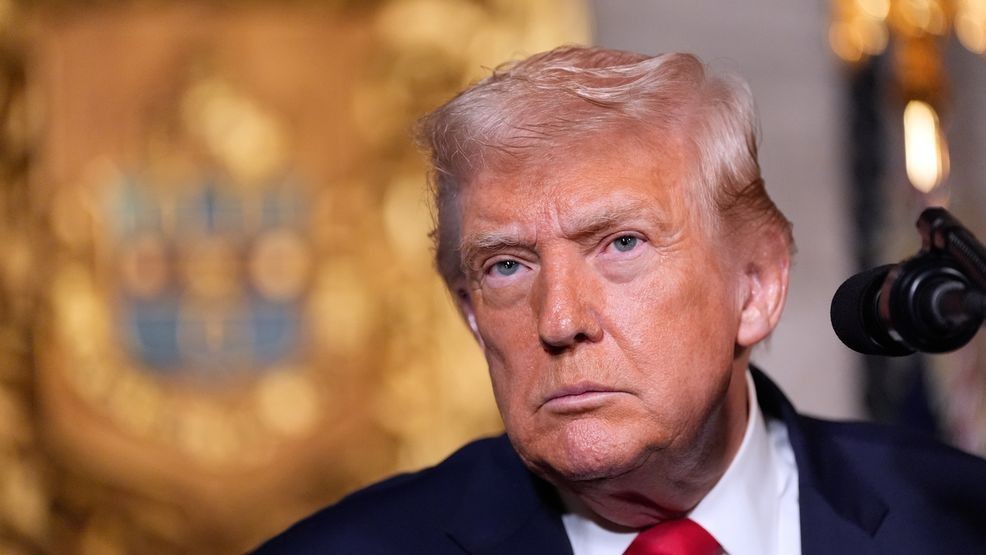
The Trump administration has filed briefs supporting the states, contending that Title IX allows sex-based distinctions in athletics and that lower courts improperly curtailed state authority. The solicitor general’s office will present the federal government’s position during Tuesday’s arguments.
The cases have drawn intense national interest, with dozens of amicus briefs submitted by athletes, coaches, lawmakers, and state attorneys general from across the country. The Washington Post editorial board weighed in over the weekend, opposing transgender participation in women’s sports and calling on the Supreme Court to rein in what it described as “one of the worst excesses of America’s cultural revolution.”
RELATED: Women's right advocates rally as SCOTUS to hear transgender athlete ban cases from ID, WV
The transgender athletes are represented by the American Civil Liberties Union, which argues the laws unfairly exclude students based on gender identity.
“Categorically excluding kids from school sports just because they are transgender will only make our schools less safe and more hurtful places for all youth,” ACLU attorneys said in a statement, sent to Fox News Digital.
Transgender rights advocates maintain that states and the Trump administration are targeting a small number of athletes at great public expense. McCuskey rejected that framing, arguing it overlooks the impact on female competitors.
“You make the argument that B.P.J. is being discriminated against,” he said, “but that belies the argument that all 300 of the other girls that B.P.J. beat in an athletic competition aren’t victims.”
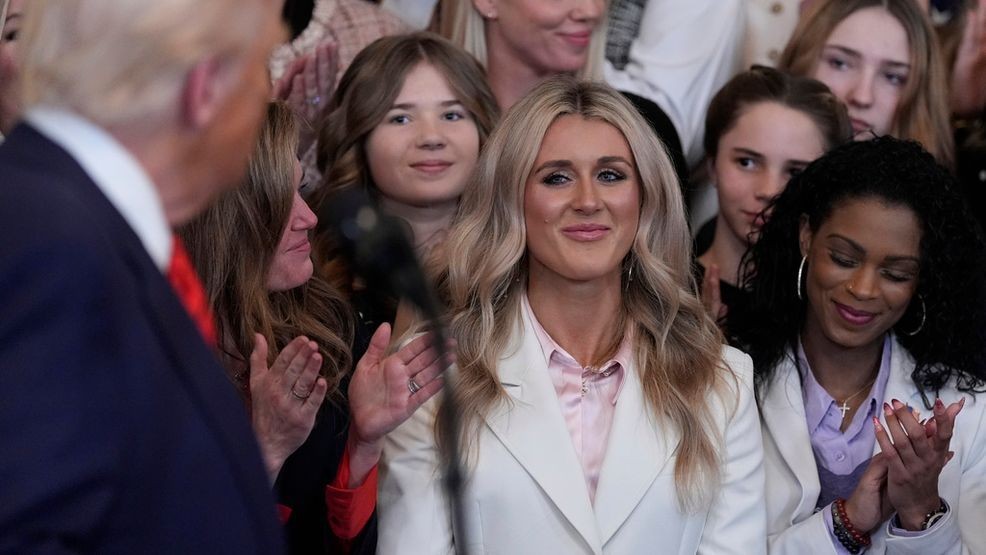
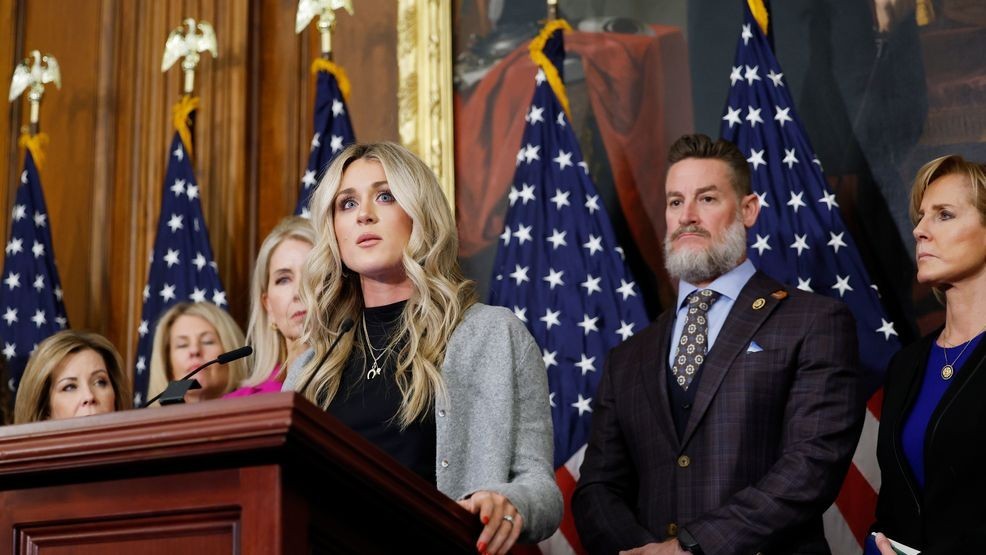
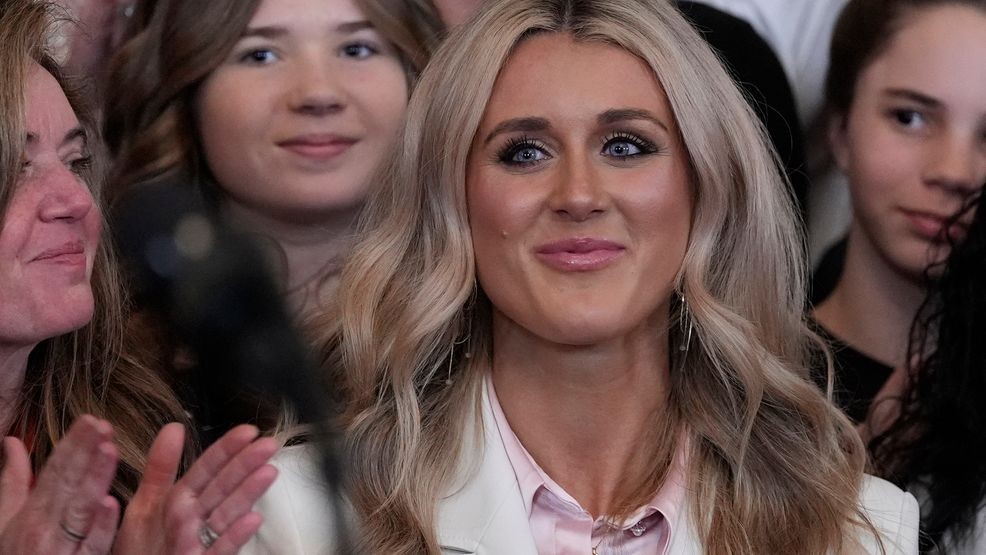
On Monday, ahead of the oral arguments, the Republicans Attorney General Association held a news conference which included words from Idaho Attorney General Raul Labrador, who will be arguing before the Supreme Court, activist Riley Gaines, and Jennifer Sey, founder of XX-XY athletics which was created to combat transgender ideology.
"I'm p*ssed off that we've reached a point where we seemingly have an entire political party who has diminished and erased our rights as women," Gaines said. "That's exactly what this is. Don't let them frame it any other way they love. To hide behind words like compassion and empathy and inclusion. Let me be very, very clear, what me and what my teammates face. It was not inclusive. It was exclusive, because we as women were excluded from participating, from competing, from calling ourselves champions."
Olympic silver medalist MyKayla Skinner urged athletes to speak up.
"Staying silent on issues that matter doesn’t serve the next generation of girls," Skinner said.
The Supreme Court is expected to issue decisions in both cases by early summer.
____________________
EDITOR'S NOTE: The Associated Press contributed to this report.