

Bigger tax refunds could give consumers boost after year of 'resiliency and adaptability'
(TNND) — Following a strong holiday shopping season for price-conscious consumers, larger tax refunds could give spending a boost early this year, according to Bank of America economists.
Bank of America Institute economist Joe Wadford called 2025 “a banner year for consumer resiliency and adaptability.”
And he said consumers have solid momentum going into 2026.
"Consumers got off to a really choppy start. I think there was a lot of uncertainty at the beginning of 2025. And I think they definitely found their way and ended 2025 strong," Wadford said.
A new consumer checkpoint report from the Bank of America Institute found that total credit and debit card spending per household rose 1.8% in December compared to a year ago.
There was also a small monthly increase after a flat November.
The report, based on Bank of America accounts data, showed holiday spending increased 4.7% compared to the year before.
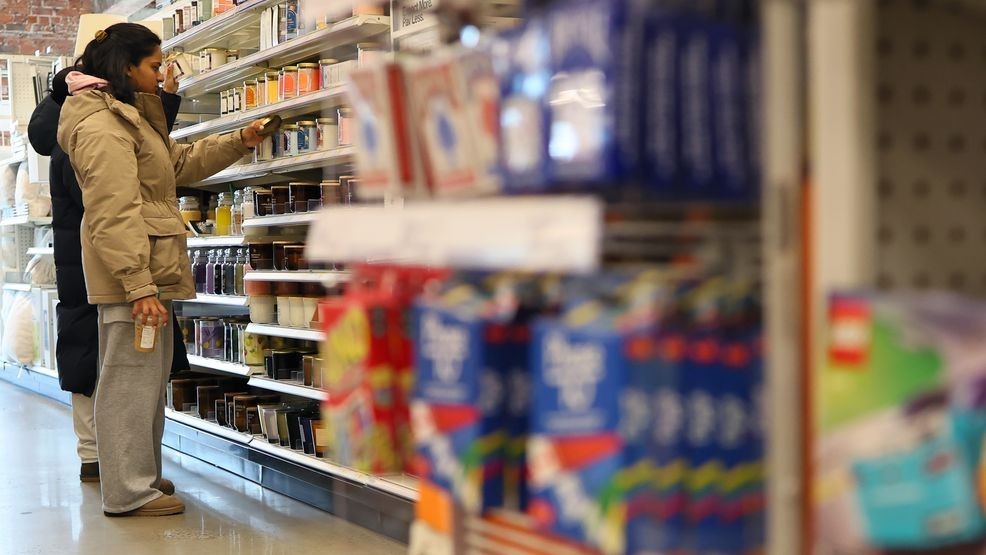
Lower-priced discretionary retail and service categories, like big box stores, performed better last year than higher-priced luxuries, like travel and furniture.
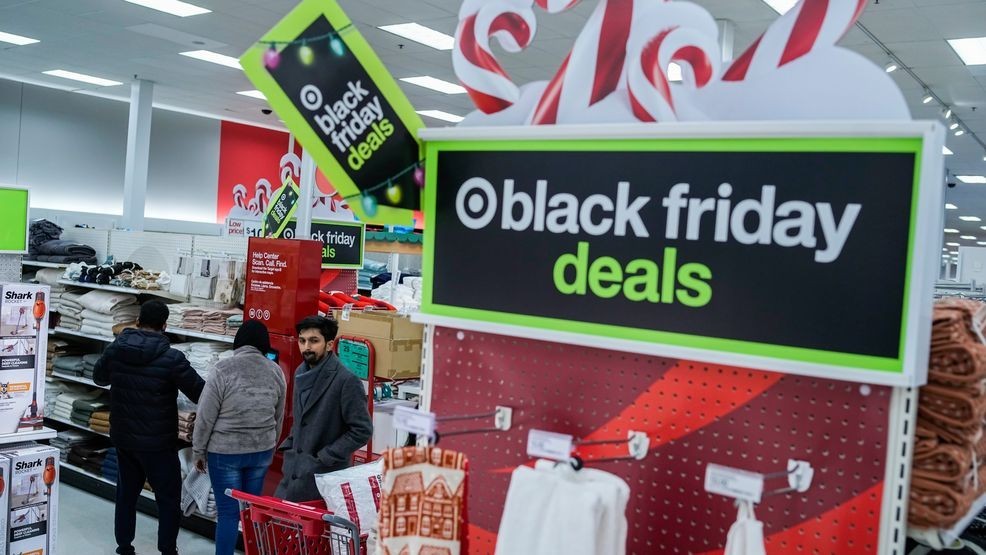
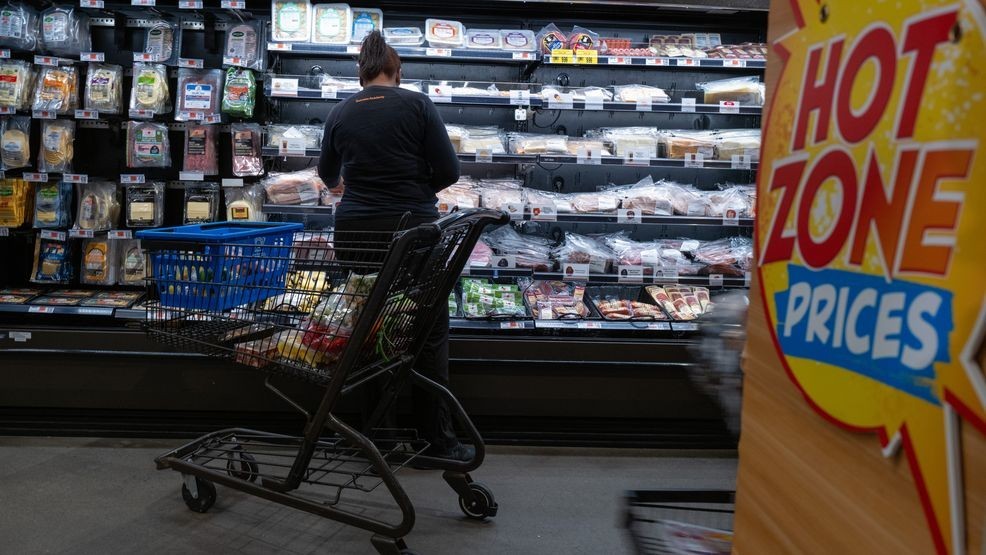
Spending on groceries, despite inflation in some food categories, was flat. And Americans spent much less on gas, the Bank of America data showed.
Wage growth was stronger for higher-income people than lower- and middle-income folks, but the Bank of America data showed the gap didn’t continue to widen.
Last month, after-tax wage growth for lower-income households was 1.1%, while it was 1.5% for middle-income households and 3% for higher-income households.
The annual rate of inflation is 2.7%, according to the consumer price index. The Bureau of Labor Statistics also pegged annual wage growth at 3.8% last month.
Meanwhile, the Bank of America data showed that higher earners increased their spending at a faster rate than lower earners.
SEE ALSO: Consumer sentiment starts 2026 near all-time low

Lower-income households increased their three-month average card spending just 0.4% last month, compared to 2.4% for higher-income households.
The two-track “K-shaped” economy is still playing out, though Wadford said it didn’t widen down the stretch of last year.
The K-shaped economy is one in which lower-income people are disproportionately hurt by inflation while high-income households fare better.
RELATED STORY: 50,000 jobs added in December, capping year with weakest growth since 2020
But Wadford said lower-income folks found ways to stretch their dollar last year.
And he said bigger tax refunds could give those households a boost early this year.
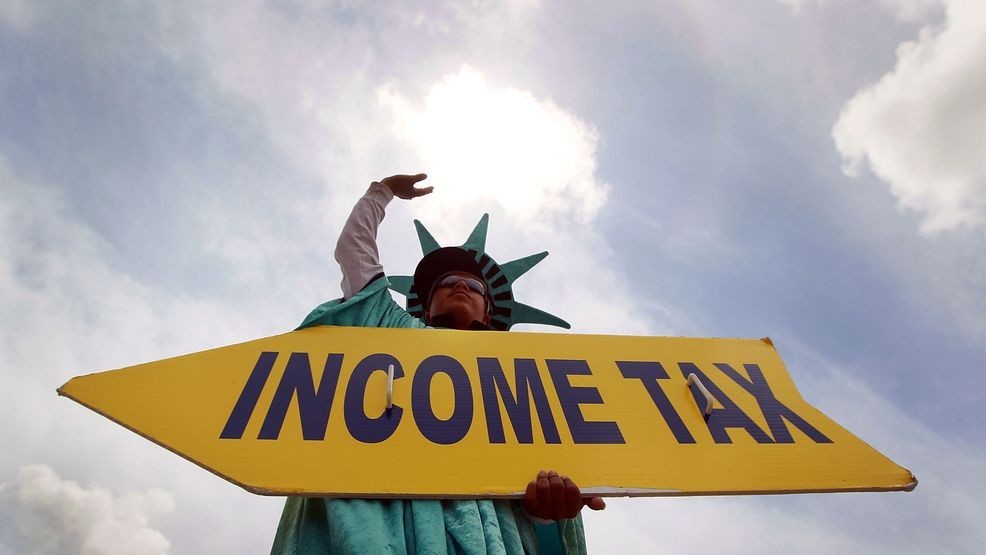
Bank of America estimated that federal refunds in 2026 could be 18% to 25% higher than they were last year as a result of the “One Big Beautiful Bill” signed into law last summer.
If a family got a $3,000 refund last year, a 25% increase would put another $750 in their pockets.
But Wadford said the U.S. needs to shake the low-higher, low-fire jobs market that persisted last year to really give consumers a jolt.
“When it comes to really getting rid of that 'K,' I mean, it all boils down to whether or not the labor market is going to pick back up again and provide the support that the lower-income households need in wage growth,” he said.