

118 Years of the grandest of canyons
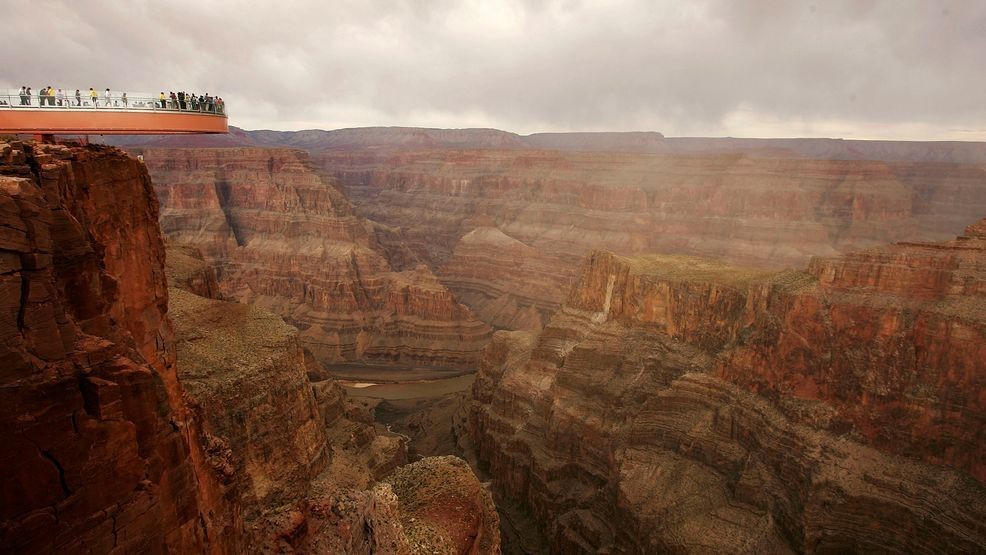
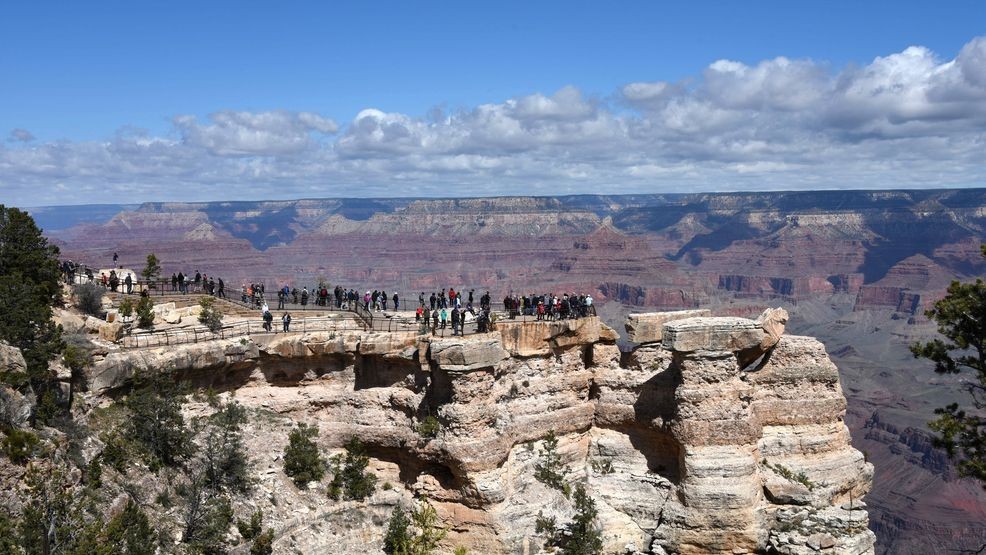
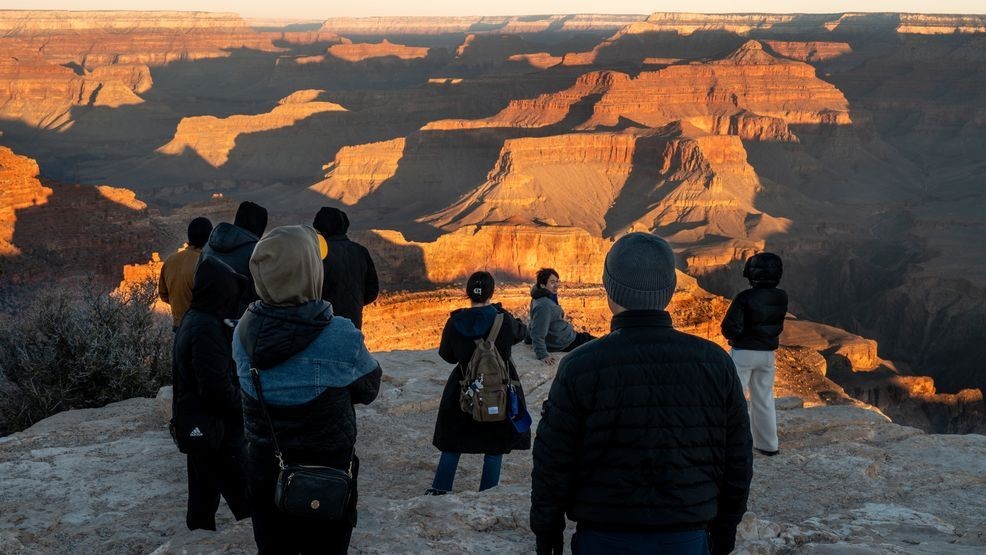
WASHINGTON (Amazing America TV) — Few places inspire awe quite like Arizona’s Grand Canyon Monument, turned National Park. It is a natural wonder that has been captivating visitors for more than a century.
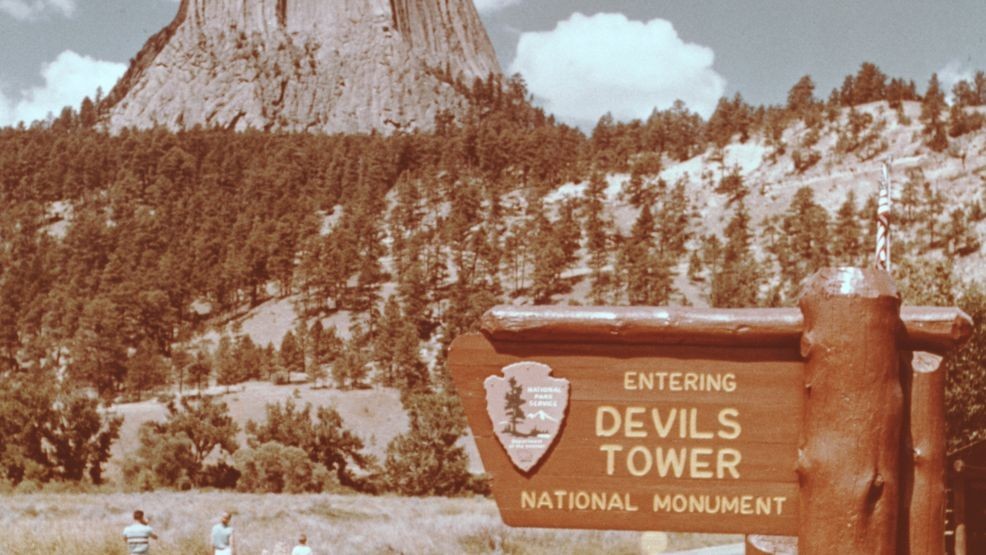
While many people use the terms national park and national monument interchangeably, they are not the same. Under the Antiquities Act of 1906, U.S. presidents can designate national monuments from existing federal lands. Devils Tower in northeastern Wyoming was the first site to receive that protection in 1906.
Creating a national park, however, requires an act of Congress. That designation protects large, scenic landscapes with a focus on conservation, while ensuring future generations can experience them firsthand.
The Grand Canyon holds both honors.
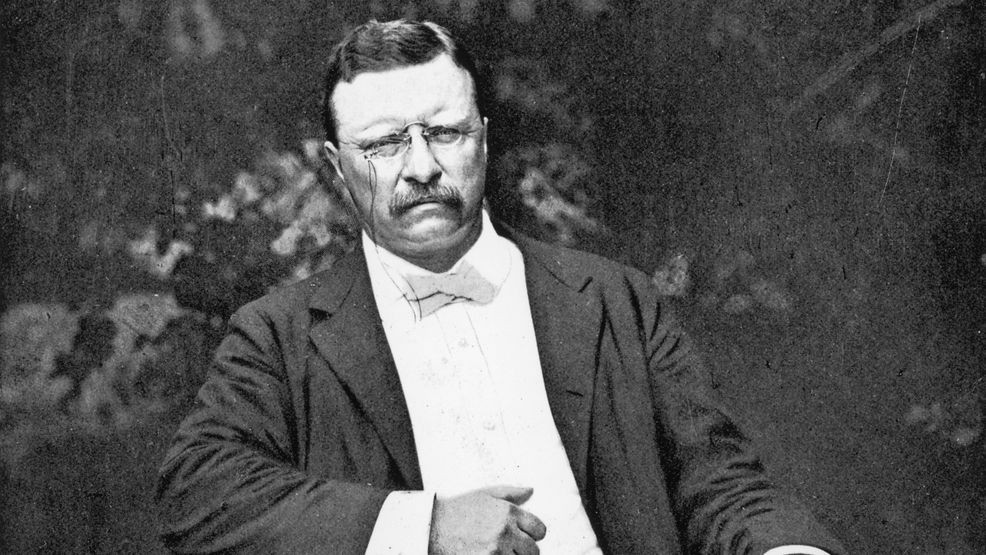
It was first protected as a national monument in 1908, when President Theodore Roosevelt used the Antiquities Act to preserve its natural beauty from development. More than a decade later, on Feb. 26, 1919, President Woodrow Wilson signed legislation officially establishing Grand Canyon National Park.
Today, the park remains one of the most popular destinations in the country. According to the National Park Service, the Grand Canyon ranks as the third most visited national park in the United States, welcoming over 4 million visitors each year. Only the Great Smoky Mountains National Park in Tennessee and North Carolina, and Zion National Park in Utah, see more visitors.
Did you know?
The Grand Canyon is so massive that it creates its own weather, with snowy conditions along the rim and desert heat below.
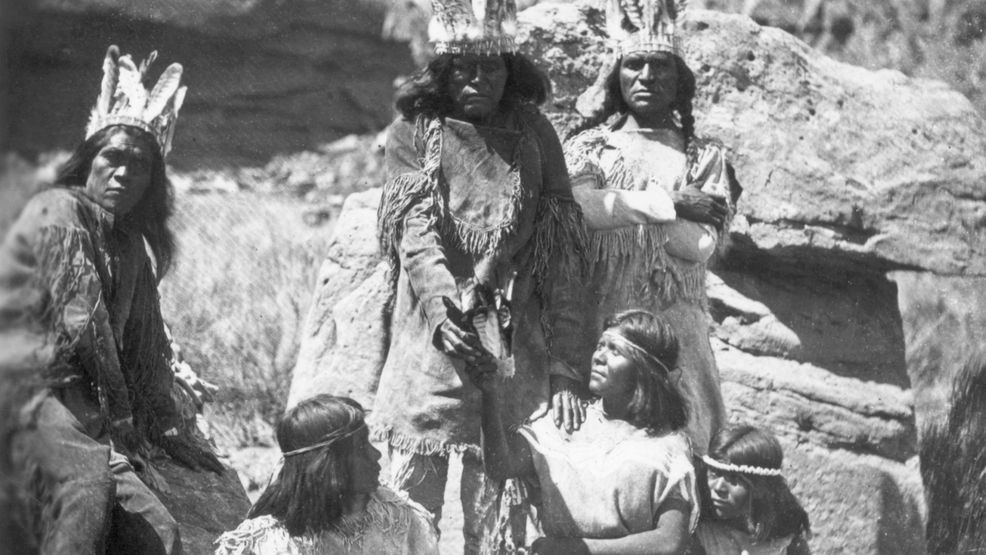
Humans have lived in the canyon region for thousands of years. The National Park Service recognizes 11 Indigenous tribes with traditional ties to the Grand Canyon, including the Havasupai, Hualapai, Hopi, Navajo (Diné), Zuni, Paiute, Apache, and others.
Planning a visit? Spring and fall are considered the best times to explore the park, offering mild temperatures and fewer crowds. Summer draws the most visitors, but extreme heat and congestion can make travel more challenging.
The Grand Canyon is more than a destination — it’s a reminder of the power of nature and the importance of preservation. As President Theodore Roosevelt once said, "Leave it as it is. You cannot improve on it.”
For more amazing stories, click here to subscribe to Amazing America TV on YouTube and follow us on Instagram, TikTok, and Facebook.