

NBC 10 I-Team: License plate cameras expand as privacy fears prompt pushback
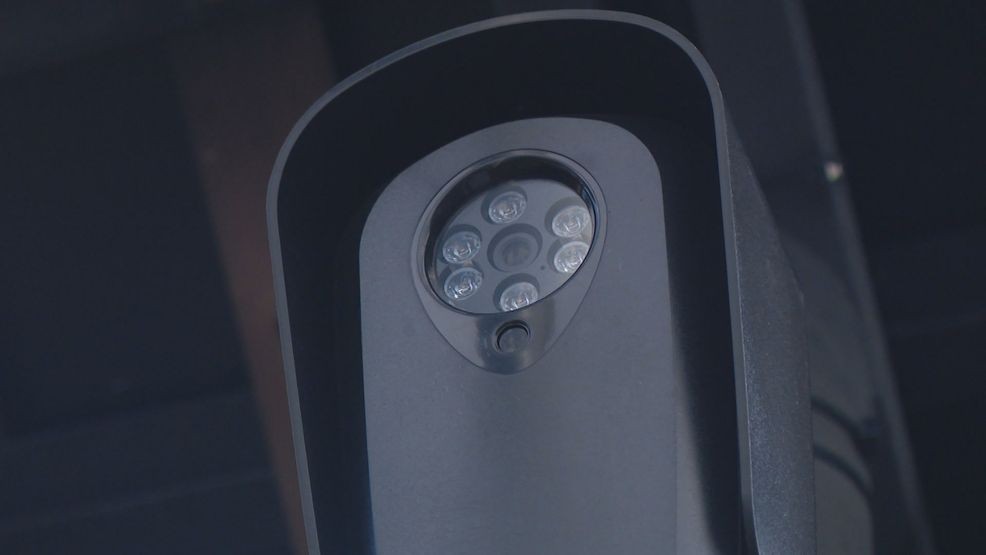
Rhode Island State Police want to install dozens of license plate–reading Flock cameras across the state, but not every community is on board.
State police have pitched the program in over 20 communities after receiving a federal COPS grant that includes $579,000 for 39 cameras.
Flock cameras are automated license plate readers that photograph the license plates of passing vehicles, and record details such as time, location, color and vehicle type.
The information is stored in a searchable database that police can use to look for specific vehicles by plate number or description.
Departments can also set alerts, so officers are notified in real time when a stolen vehicle or a suspect’s car is detected. Data is stored for 30 days before being permanently erased.
Although the cameras would be installed on state roads, state police must get permission from each community before moving forward.
So far, Warren is the only town to reject the proposal.
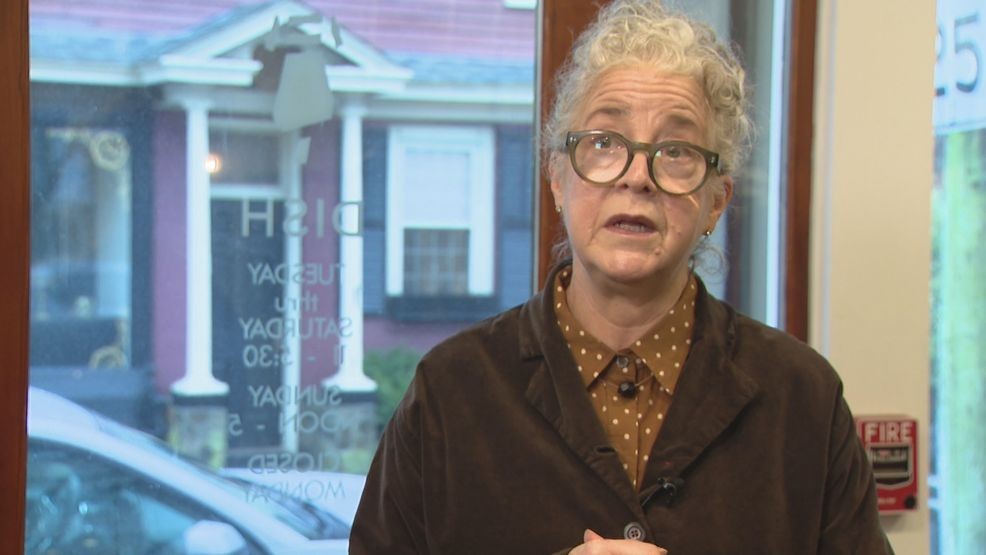
During a December meeting, town leaders raised concerns about data use and privacy. Town Council Vice President Keri Cronin said officials worry that as the technology evolves, access could expand in ways that threaten civil liberties.
Councilman Louis Rego said he received emails from residents who were uneasy about how the cameras would be operated and monitored, while Council President Joseph DePasquale questioned the legal implications of potential changes to the system in the future.
Flock cameras have been credited with helping solve hundreds of crimes statewide by alerting police to stolen vehicles and cars connected to criminal investigations.
When asked whether rejecting the program could hinder investigations, Cronin said no.
“I feel very safe and confident in the work of the Warren Police Department,” she said. “We just weren’t confident in how the information would ultimately be used.”
Just weeks after Warren rejected the proposal, Flock cameras were used in the search for the suspect in the Brown University shooting.
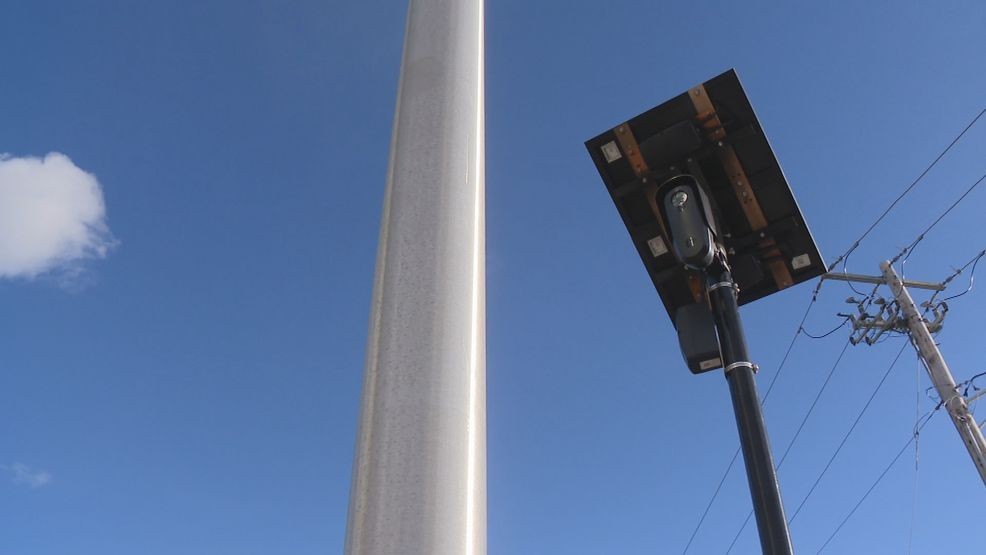
Authorities say tips about a gray Nissan rental car, along with data from license plate reader cameras, helped investigators track the suspect from Providence to Massachusetts and then New Hampshire. Manuel Neves Valente was later found dead from a self-inflicted gunshot wound.
Police said the surveillance system helped link the crimes and end a days-long manhunt.
Despite that track record, Cronin said residents made clear they do not want the technology.
“I think a lot of people are sleeping more soundly knowing they are not living in a surveillance state, that their civil liberties aren’t being violated,” she said. “I have great confidence in our police force.”
Other communities, including Cranston, are embracing the technology.
Cranston already has 29 Flock cameras at a cost of about $81,000 a year and is joining the State Police program for additional cameras at no cost.
“We have seized over 100 stolen vehicles since we started,” Cranston Police Chief Michael Winquist said. “We’ve used it in homicide investigations, drive-by shootings and cases where we didn’t have a lot of leads. It helped expedite the arrest of some pretty dangerous individuals.”
Since 2021, Flock cameras have helped Cranston Police with 17 missing persons, 89 warrant arrests, 104 stolen vehicle arrests and 28 stolen property arrests.
The ACLU has warned that widespread use of license plate readers could allow authorities to track a person’s movements, drawing concerns as more cameras pop up statewide.
“Despite many attempts to get legislation passed to protect our privacy, which would include reasonable limits on how long data can be kept, how the data can be shared, and when police can put in requests to access the data. Flock cameras are still virtually unregulated in Rhode Island,” an ACLU statement said.
But when it comes to questioning the amount of surveillance, Winquist said for him, there’s no limit.
“We have hundreds and hundreds of miles of roadways,” he said. “In a perfect world, we would have a lot more cameras.”
Winquist said Rhode Island police share data with each other and with federal agencies, but not with Immigration and Customs Enforcement.
Winquist said safeguards are in place.

“It has to be used for official purposes only,” Winquist said. “It leaves a log of anyone who searches plates, and we conduct routine audits.”
Winquist said rejecting the program takes away an important investigative tool. “I think it’s unfortunate,” he said.
Cronin said the town is not permanently closing the door.
“If at some point there’s a new proposal where they put considerable thought into how the data would be used and safeguarded, we can always hear it again,” she said.
State police have not announced when the 39 cameras will be deployed.
The proposal has been submitted in the following communities:
Glocester, East Greenwich, Exeter, North Smithfield, Tiverton, Providence, Lincoln, Portsmouth, Bristol, Middletown, North Kingstown, Jamestown, Cranston, Pawtucket, East Providence, Johnston, Cumberland, Richmond, Westerly, South Kingstown, Newport and Warren.