

WINTER WEATHER: Millions of Americans brace for hazardous snowstorm
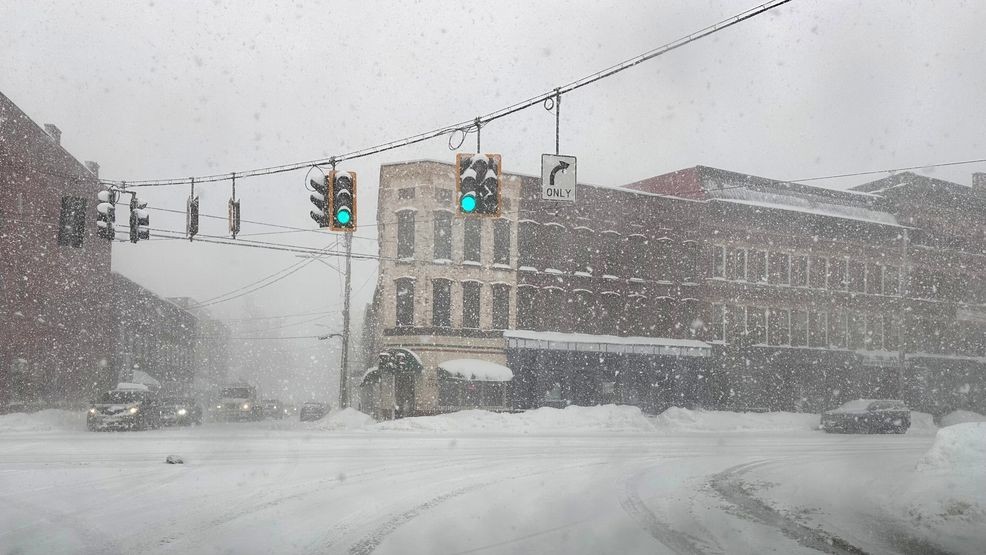


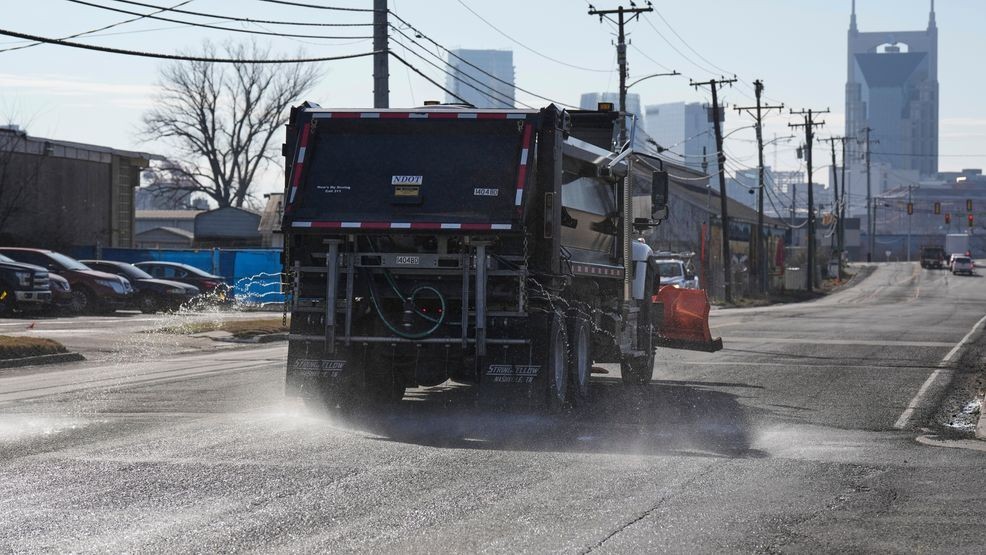
Millions of Americans are anticipating what forecasters predict will be a treacherous snowstorm, according to the National Weather Service (NWS).
As of Friday afternoon, at least 177 million people were under watches or warnings for ice and snow, while more than 200 million were under cold weather advisories or warnings.
In many places they overlapped.
The agency said the "long-duration winter storm" will bring widespread heavy snow, sleet, and freezing rain across the central and eastern U.S. this weekend and into early next week.
"An impactful winter storm will track from the Southern High Plains/Rockies Friday, across the Mid-South and Ohio Valley on Saturday, and then the Mid-Atlantic and Northeast on Sunday. Heavy snowfall accumulations, nearing a foot with locally higher amounts possible, are likely on the northern side of the system, ranging from Oklahoma to Massachusetts," NWS said.
"On the southern side of the storm, mixed precipitation is more likely for Texas, the Mid-South, and across the Carolinas/Virginia Piedmont," according to NWS.
The agency also said the massive storm system is expected to bring a "crippling" ice storm from Texas through parts of the South.
"Significant ice accumulations" are possible from freezing rain, which NWS said increases the possibility of long power outages, extensive tree damage, and horrendous driving conditions.
Frigid temperatures, gusty winds, and dangerous wind chills will expand from the north-central U.S. to the Southern Plains, MS Valley, and Midwest, according to the agency.
The forecasted wind chills will pose life-threatening risk of hypothermia, as well as frostbite to exposed skin.
"An Arctic front will bring frigid temperatures to the eastern two-thirds of the U.S.," the NWS Weather Prediction Center said.
"Sub-zero lows will spread from the Northern and Central Plains into the Northeast through Sunday," the agency added. "Bitter cold will reach the western Gulf Coast on Saturday and spread eastward through Tuesday. Numerous record lows are expected."
Cold air streaming down from Canada caused Chicago Public Schools and Des Moines Public Schools in Iowa to cancel classes Friday.
Wind chills predicted to be as low as minus-35 degrees Fahrenheit could cause frostbite within 10 minutes, making it too dangerous to walk to school or wait for the bus.
Freezing temperatures are expected all the way to Florida, forecasters said.
Meteorologists also warned that the damage, especially in areas pounded by ice, could rival a hurricane.
The cold punch coming after the snow means it will take a while to thaw out, an especially dangerous prospect in places where ice and snow weigh down tree branches and power lines and cuts electricity, perhaps for days. Roads and sidewalks could remain icy well into next week.
Winter storms can be notoriously tricky to forecast, as one or two degrees can mean the difference between a catastrophe or a cold rain. Forecasters said the places with the worst weather can't be pinned down until the event starts.
Georgia Gov. Brian Kemp, like other governors, declared a state of emergency while acknowledging Thursday that some forecasts have disastrous levels of wintery weather in Atlanta, while others have the Deep South's largest city mostly spared.
Ahead of the storm, Atlanta resident Jennifer Girard bought some blankets and batteries at a Walmart in nearby Chamblee with her 21-month-old baby.
Canned food, batteries and water were among the most popular items, leaving shelves less stocked than usual.
“I used to live in Florida," she said. "We used to do that all the time for hurricane season, so it’s not so different."
_______________
EDITOR'S NOTE: The Associated Press contributed to this report.