

Inside Minnesota's deadly immigration shootings, protests & pull back
Watch Part 3 of our Mayhem in Minnesota series in the video player below for the full breakdown of how this story unfolded.
WASHINGTON (TNND) - Two American citizens are dead. Federal agents are pulling back. Senior officials are under scrutiny. And Congress is demanding answers.
What’s unfolding in Minnesota has rapidly become one of the most serious domestic flashpoints of the year — one with national implications that extend far beyond Minneapolis.
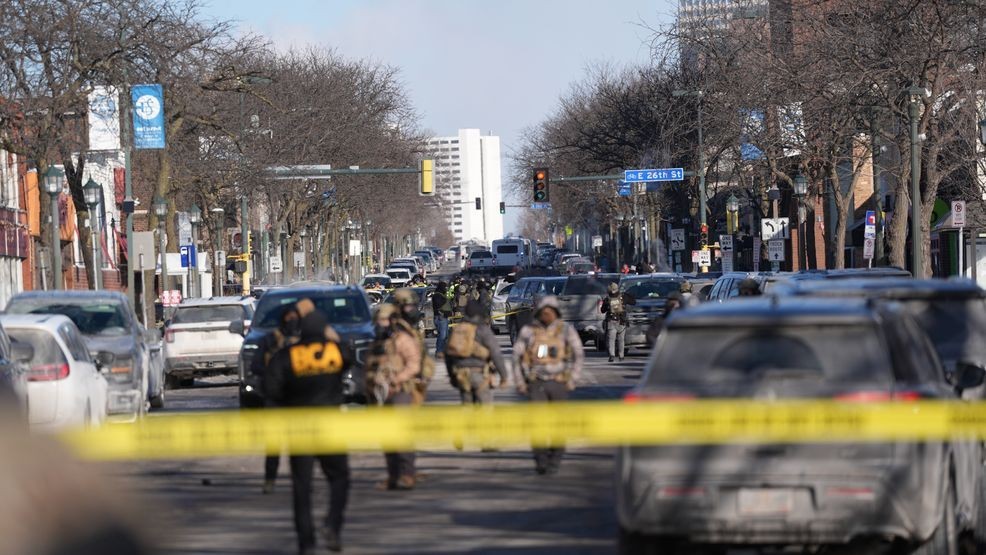
Over the weekend, 37-year-old Alex Pretti, a licensed ICU nurse employed by the U.S. Department of Veterans Affairs, was shot and killed by a U.S. Border Patrol officer in Minneapolis. The fatal encounter marked the second deadly shooting involving federal immigration officers in the city in just a matter of weeks, following the death of Renee Nicole Good during an ICE operation.
Federal officials say Pretti, who had no criminal record and was legally permitted to carry a firearm, approached agents while armed with a 9mm handgun and resisted efforts to disarm him. But video circulating online shows a different moment — Pretti holding his phone and appearing to assist others after agents pepper-sprayed and shoved a woman during the confrontation. He was pronounced dead at the scene.
Family members say Pretti had been involved in protests opposing President Donald Trump’s immigration policies. His father, Michael Pretti, said his son believed federal enforcement actions in Minneapolis were unjust and harmful to local communities.
Those competing narratives — one from federal authorities and another from eyewitnesses and family — have fueled deep mistrust, not only in Minnesota, but across the country.
PART 2
Pretti’s death ignited protests nationwide, with demonstrators calling for an end to the federal operation known as Operation Metro Surge and demanding accountability from the Trump administration. The initiative has led to more than 3,000 arrests across Minnesota, but has also sparked repeated clashes with residents and local officials.
The state was already reeling from the death of Renee Nicole Good, another American citizen killed during an ICE raid in Minneapolis just weeks earlier. Together, the two cases have intensified scrutiny of federal immigration tactics and the use of force.
Minnesota leaders have responded forcefully. Governor Tim Walz publicly called on President Trump to withdraw federal agents from the state, arguing the enforcement approach has been aggressive and that the resulting deaths are unacceptable.
The controversy has drawn rare intervention from former presidents — a sign of how consequential the moment has become.
Former President Barack Obama issued a statement calling Pretti’s death “deeply troubling,” urging transparency, accountability, and a serious review of federal enforcement practices. Former President Joe Biden also weighed in, saying he was “heartbroken” by the shooting and calling for an independent investigation. Biden warned against what he described as overly aggressive enforcement tactics, emphasizing that federal authority must be exercised with restraint and respect for human life.
Their statements added to the mounting political pressure on the Trump administration and the Department of Homeland Security, as protests continued and lawmakers began openly demanding answers.
PART 1
That pressure has already reached federal leadership. Border Patrol Commander Greg Bovino departed Minneapolis following reports that President Trump was dissatisfied with how Bovino and DHS Secretary Kristi Noem handled the response to Pretti’s death.
Noem is now expected to testify before the Senate Judiciary Committee in March, facing questions over conflicting public statements about both the Good and Pretti shootings. Some Democrats have gone further, calling for her impeachment.
President Trump, facing growing backlash, said he is “reviewing everything.” He criticized Pretti for carrying a firearm during a protest and blasted local law enforcement on social media following the shooting.
The White House has since shifted oversight of Minnesota’s immigration enforcement to Border Czar Tom Homan, who will now coordinate operations in the state. Trump confirmed he spoke with Minneapolis Mayor Jacob Frey, calling the conversation “very good” and saying progress was being made.
Frey later said he appreciated the discussion but made clear that his primary request remains the same: ending Operation Metro Surge. He emphasized the importance of Minneapolis’ immigrant communities and the strain federal enforcement actions have placed on the city.
White House Press Secretary Karoline Leavitt said Homan would continue managing ICE operations on the ground, focusing on what she described as “the worst of the worst criminal illegal aliens,” while also blaming Democratic leaders in Minnesota for creating what she called a hostile environment.
Following those conversations, Frey announced that some federal immigration enforcement officers are expected to leave Minneapolis as soon as Tuesday — a rare instance of de-escalation after days of public outrage, protests, and political negotiations.
But what’s happening in Minnesota now goes far beyond one city, one state, or even these two deaths.
Federal agents are retreating. Senior officials are being questioned. Congress is demanding answers. And all of it is unfolding as lawmakers head into a high-stakes budget fight — one where funding for immigration enforcement, DHS operations, and federal oversight could become a major flashpoint.
Several members of Congress have already signaled that the situation in Minnesota could spill into the appropriations process, raising the possibility of a partial or full government shutdown if demands for accountability are not met.
What happens next in Minnesota won’t stay in Minnesota.
It could shape how federal power is exercised, how immigration enforcement is funded, and whether the government itself remains open.