

Federal court denies rehearing in Alina Habba's removal as NJ federal prosecutor
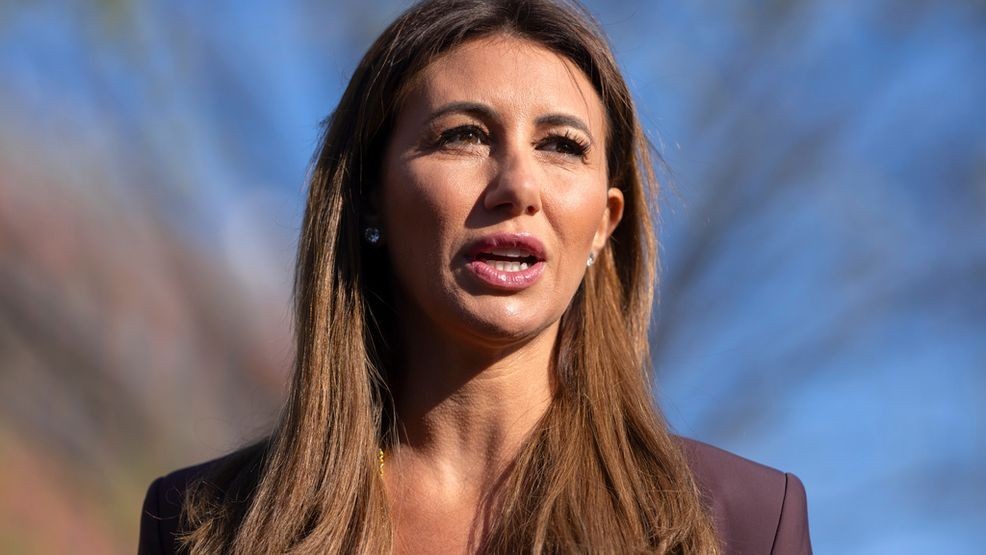
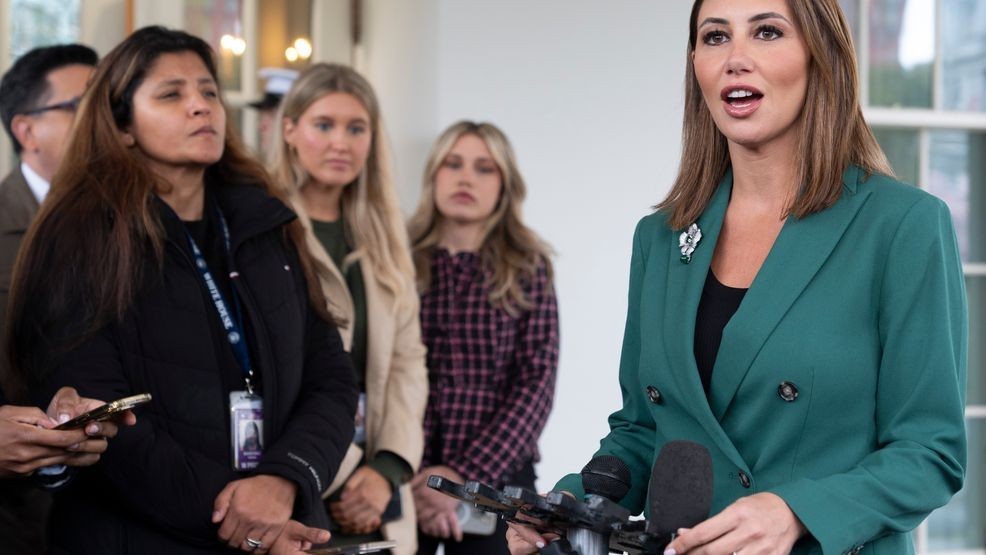
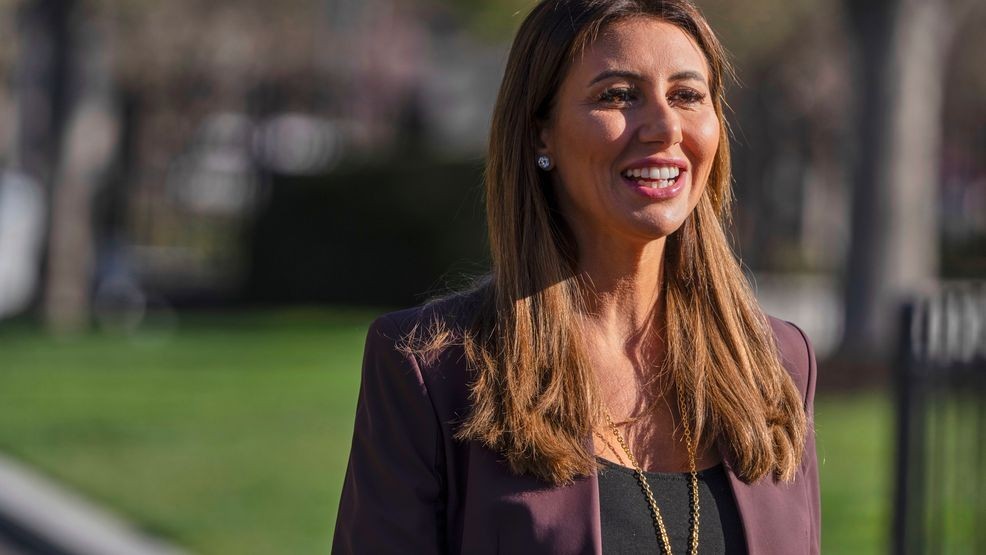
WASHINGTON (TNND) — A federal appeals court has refused to revisit an earlier ruling that removed Alina Habba from her role as New Jersey’s top federal prosecutor.
The ruling by the U.S. Court of Appeals for the 3rd Circuit could now push the Justice Department toward a showdown at the Supreme Court over President Donald Trump’s authority to keep his preferred prosecutors in office.
In an order issued Monday, the appeals court said the three panel of judges who originally ruled against Habba did not seek a rehearing of the case.
A majority of the court’s active judges also voted against hearing the dispute as a full bench. While three of the court’s eleven judges supported rehearing the case, their position was not enough to change the outcome, though one dissenting opinion is expected to be released later.
The order leaves standing a panel ruling that found Habba’s appointment unlawful once she continued serving beyond the 120-day limit allowed for interim U.S. attorneys. The court rejected the administration’s efforts to extend her tenure through a series of unconventional personnel and legal maneuvers, concluding that those steps conflicted with federal law governing temporary appointments.
Habba stepped down from the position last month after the panel’s decision but has stated under oath that she intends to return if a higher court ultimately rules in her favor. For now, however, the ruling prevents her from leading the state’s federal prosecutorial office.
The controversy began when Habba’s interim term expired in July.
Federal judges in New Jersey declined to renew her appointment and instead exercised their statutory authority to name her first assistant as U.S. attorney. In response, Attorney General Pam Bondi dismissed the judges’ appointee, and President Trump withdrew Habba’s nomination for the permanent role. Habba was then reinstalled under the title of acting U.S. attorney, effectively continuing her leadership of the office.
Writing for the panel, Judge D. Michael Fisher noted the administration’s apparent frustration with legal and political obstacles to installing its preferred officials but emphasized that the law draws clear lines around the appointment process.
“There is a time before ‘the President submits a nomination,’ and there is a time after ‘the President submits a nomination,’” Fisher wrote.
“Just because the President later may withdraw the nomination does not erase the fact that he submitted it.”
Habba’s removal marked the first such disqualification among Trump-aligned prosecutors.
Prosecutors in California, Nevada, New York, and Virginia have since been removed from their positions.