

Fact Check Team: Exploring the relationship between China and Venezuela
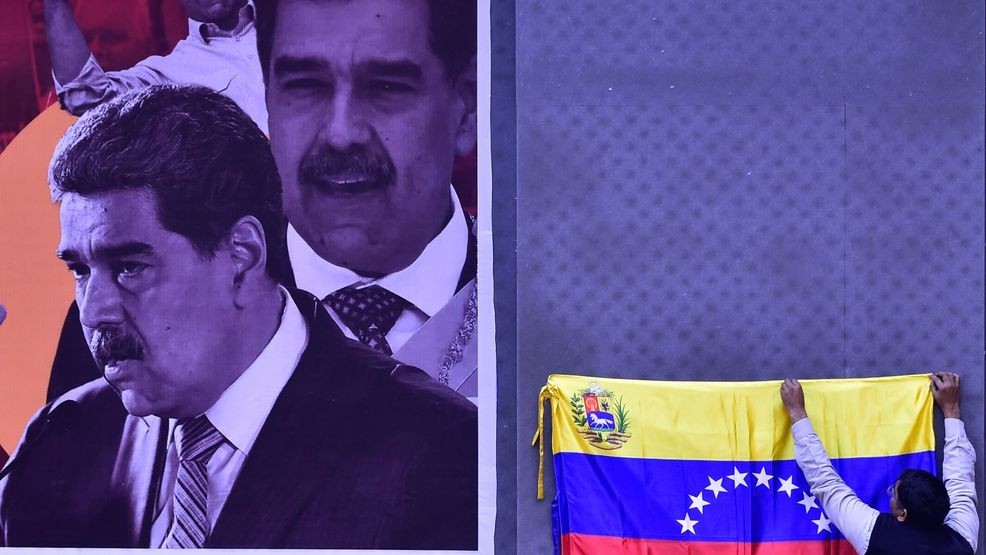
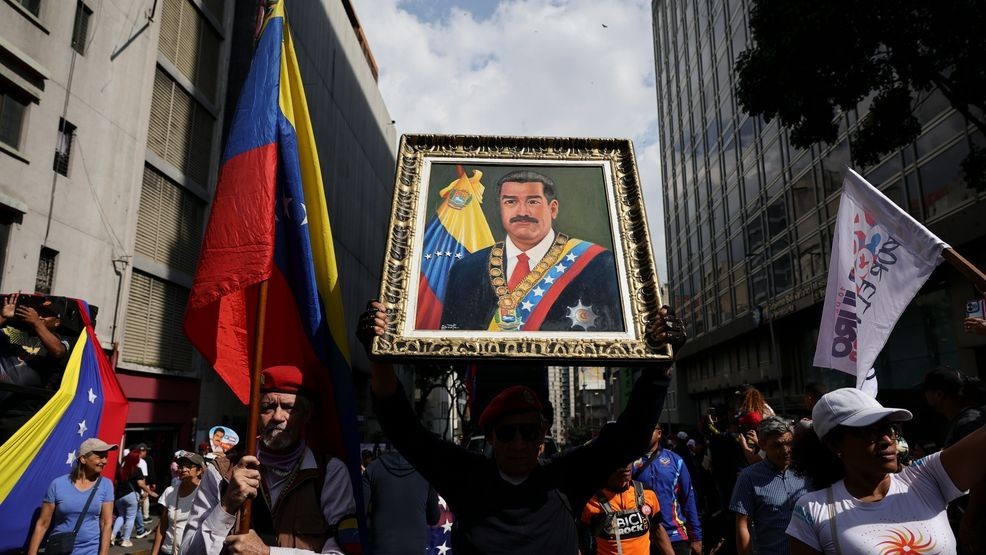
WASHINGTON (TNND) — The Trump administration’s capture of Nicolás Maduro didn’t just shake Venezuela; it sent political shockwaves across Latin America and around the world.
But one country, in particular, has a lot at stake here: China. And according to a new report from the U.S.-China Economic and Security Review Commission, Beijing’s footprint in Venezuela is deep, financially, strategically, and even militarily. (TNND)
But one country, in particular, has a lot at stake here: China. And according to a new report from the U.S.-China Economic and Security Review Commission, Beijing’s footprint in Venezuela is deep, financially, strategically, and even militarily.
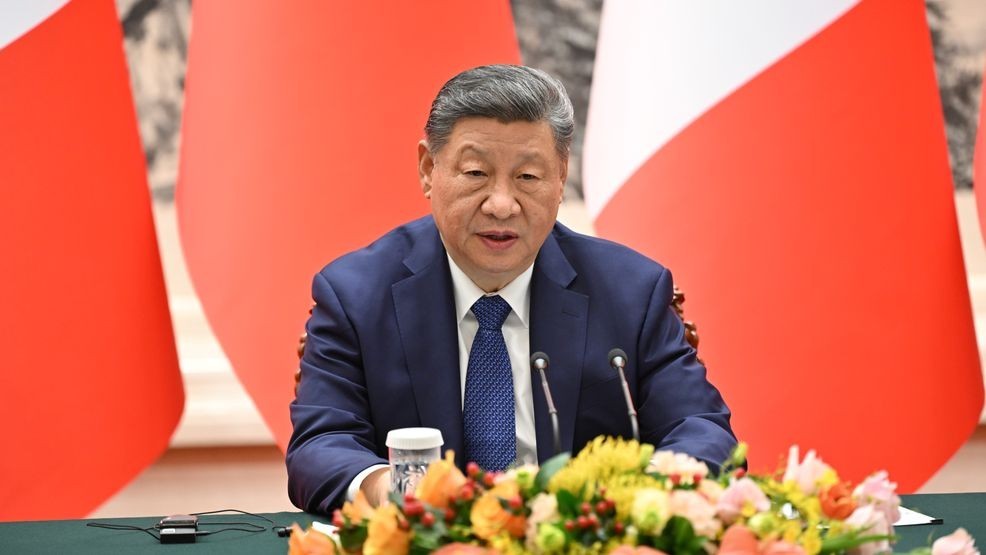
The Commission explains that China’s relationship with Venezuela accelerated rapidly after Hugo Chávez was elected in 1998, marking the start of a much closer political and economic alignment between Caracas and Beijing. Fast forward to 2023, and the two governments officially upgraded their ties into what China calls an “all-weather strategic partnership.” That’s one of Beijing’s higher-level diplomatic designations, and it signals plans for long-term cooperation spanning politics, trade, energy, and more.
But the report also emphasizes something important: this partnership may be strong, but it does not create formal security guarantees the way a treaty alliance would. So what does “propping up” Venezuela actually mean? Critics often say China has been “propping up” Venezuela, and based on the Commission’s analysis, that really comes down to money and oil. The USCC says Chinese policy banks have loaned more to Venezuela than to any other country in Latin America, and analysts estimate that at least $10 billion in Chinese loans remain outstanding.
But the bigger lifeline may be oil.
The report says China purchases most of Venezuela’s oil, even in the face of U.S. sanctions, and that oil revenue is crucial because it represents over half of Venezuela’s fiscal revenue. So when China buys Venezuelan oil, it’s not just business, it’s survival.
The Commission also notes that much of China’s Venezuelan oil intake may be undercounted in official import figures, since the report argues the vast majority of China’s oil imports from Venezuela are recorded as shipments from other countries. And in the broader discussion of how sanctioned oil keeps moving, Reuters has also reported on “shadow fleet” tactics tied to Venezuela’s oil exports, including vessels disguised under false names and shipments routed through intermediaries for China-bound purchases.
It’s Not Just Trade: China’s Military Ties to Venezuela
Here’s the key tension: the program is described as civilian, but the report warns that China’s access could still be strategically valuable, because in a major conflict scenario, access points like this could make Chinese space operations more resilient. The Commission even notes that at least one Chinese technician has claimed Beijing can remotely access these facilities. (TNND)
This relationship isn’t limited to economics. The U.S.-China Economic and Security Review Commission reports Venezuela is the largest purchaser of Chinese military equipment in Latin America. The equipment described spans serious hardware, including armored vehicles, rocket systems, missiles, and military aircraft, and the report claims that some of it has been used to suppress protests inside Venezuela.
The Satellite Stations: Why people should care
The Commission says China has constructed and retains access to two satellite ground stations inside Venezuela.
The report identifies them specifically as:
- El Sombrero Satellite Ground Station, located on Captain Manuel Ríos Aerospace Base
- Luepa Satellite Control Ground Station, described as a backup facility
And according to USCC, these facilities handle telemetry, tracking, and command functions for a Venezuelan civilian satellite.
Here’s the key tension: the program is described as civilian, but the report warns that China’s access could still be strategically valuable, because in a major conflict scenario, access points like this could make Chinese space operations more resilient. The Commission even notes that at least one Chinese technician has claimed Beijing can remotely access these facilities.
Trump meets with Machado
All of this comes as President Trump met with Venezuelan opposition leader María Corina Machado, following concerns about whether she could stabilize and lead the country after Maduro’s removal. And while this part is still evolving politically, what’s already clear is that Venezuela’s future isn’t just a Venezuelan story anymore. It’s a global one, with implications for U.S. policy, regional stability, and the power struggle between Washington and Beijing.
The University of Chicago also recently highlighted how uncertain the next steps are in Venezuela after Maduro’s arrest, including major questions about legality, governance, and what comes next for U.S. foreign policy in the region.