


Truck tolls delayed, pushing estimated $20M in revenue to next fiscal year
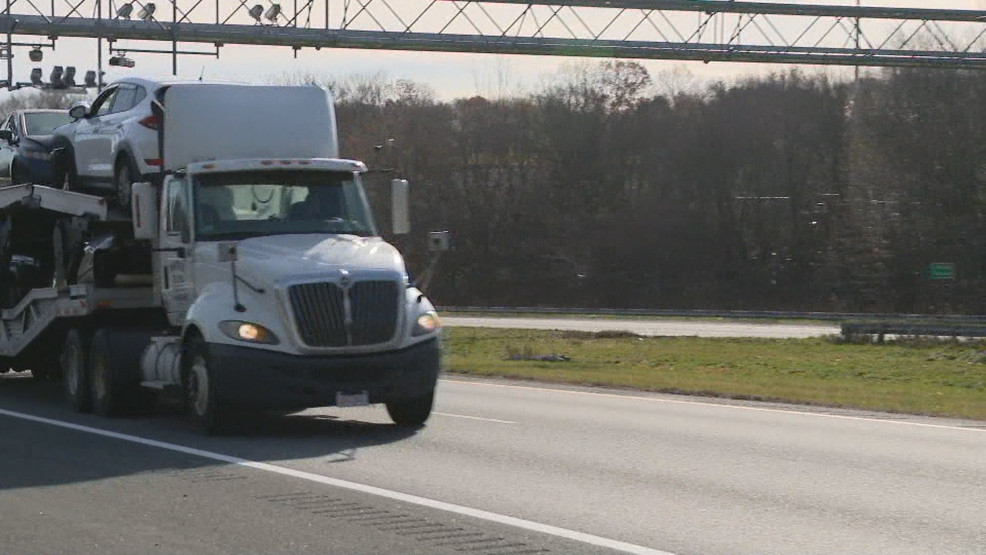
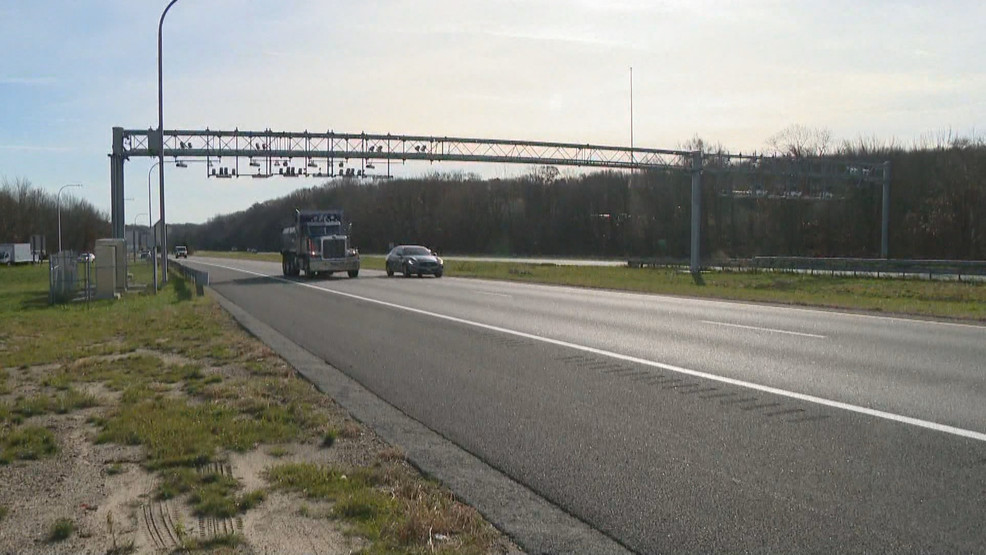
Rhode Island’s controversial truck tolls will take longer than expected to turn back on.
The plan was to have them back on this spring, with expectations the tolls would generate $10 million for the state by the end of fiscal year June 30.
However, during a presentation Thursday on the governor’s budget plan, state officials revealed the tolls won’t be on by then.
Their budget projections for the fiscal year that begins July 1 rely on $20 million in revenue from the tolls, which based on previous toll revenue pace, means they think the tolls won’t be back on until around a year from now.
The tolls were turned on in 2018 as part of a plan to generate money for road repairs.
But, after a legal challenge, a judge deemed them unconstitutional and ordered them shut off in 2022.
A court ruling in Dec. 2024 allowed for the state to turn them back on, but only with the elimination of a previous cap on daily tolls meant to help local trucking companies.
In response to a question about the delay, Rhode Island Department of Transportation Charles St. Martin wrote to NBC10, “The tolling system had laid dormant for three and a half years, with some systems having been installed, and exposed to the elements, since 2018. During our assessment we determined more of the equipment was in need of replacement so that process is taking longer than anticipated.”
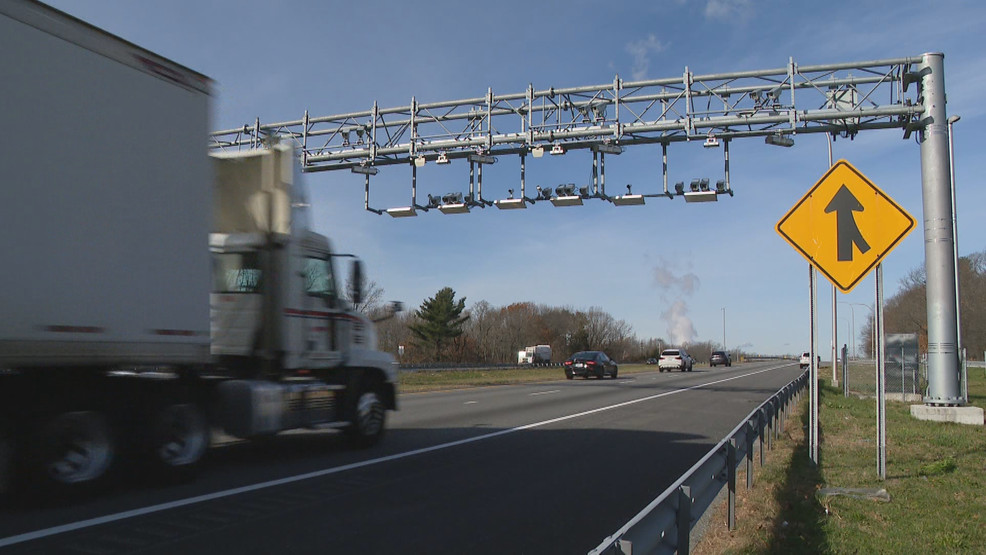
“Additionally, the needs for the back-office systems for billing are different now because the tolling rules have changed (no discounts or caps) and the new back-office system will be able to implement newer sensing technologies as they become available. This new timeframe also will provide ample time to assure that these complex hardware and software systems are operating with optimal accuracy on day one when we turn on the switch on,” St. Martin wrote.