



With factory jobs falling, are tariffs working to reshore manufacturing?
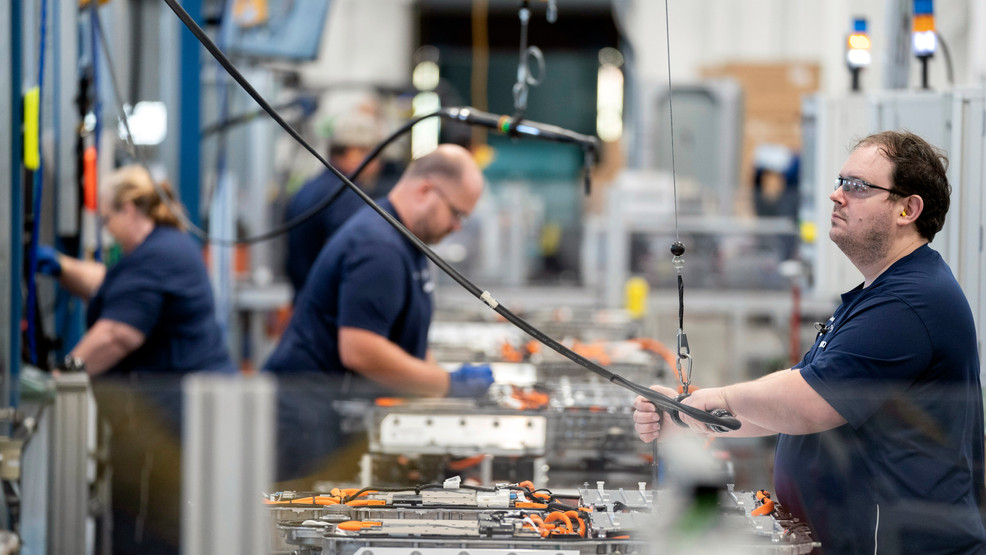
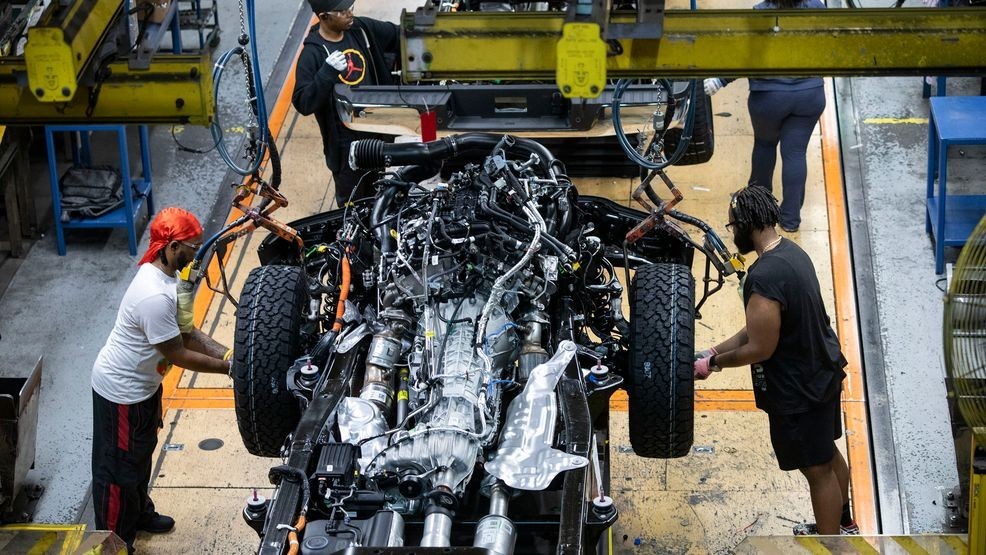
(TNND) — American manufacturing has lost 68,000 jobs over the last year, with 2025 ending on an eight-month slide, according to Bureau of Labor Statistics data.
And surveys from the Institute for Supply Management showed U.S. manufacturing activity has been on a 10-month decline, reaching a 2025 low point in December. The ISM’s surveys also found that manufacturing employment has been contracting for 11 months straight, though it contracted at a slower rate in December.
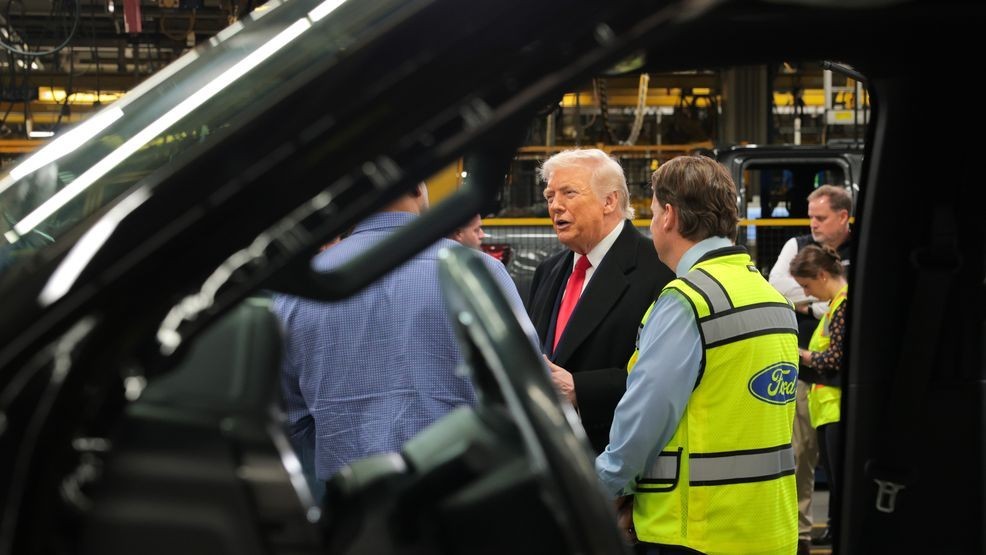
The White House has touted an “American manufacturing boom” under President Donald Trump, pointing to trillions of dollars in new investments and exalting tariffs as a vital tool to rebuild American manufacturing.
But the turnaround hasn’t happened yet.
“Things like manufacturing or the overall economy is a bit like a giant ship,” business professor Jay Zagorsky said. “And even though Trump put on tariffs to bring back manufacturing, trying to turn that ship around takes a very long time.”
Factories take years to permit, build, equip and staff with properly trained people.
Peter Mueser, a labor economist at the University of Missouri, said tariffs in theory should indeed boost domestic manufacturing.
But he, too, said that’s a slow process.
And both men said uncertainties over tariff policy are holding manufacturers back from committing to American expansion.
“Large tariffs have been imposed, and then they've been reduced, and then they've been eliminated for some period of time or postponed,” Mueser said. “And so, there's no certainty about the level of tariffs going into the future, given the current policy structure.”
Mueser also said the Trump administration only has three years left, and there’s no guarantee that the next president will keep the tariffs in place.
The tariff environment could even change in a matter of days, with the Supreme Court weighing Trump’s authority to impose the tariffs under the International Emergency Economic Powers Act.
“I think a lot of manufacturers are thinking, ‘Do I build a factory in the United States? Yes. No.’ I think people are just waiting for the Supreme Court,” said Zagorsky, a professor with the Questrom School of Business at Boston University. “At least if I was a manufacturer, I'd be holding off.”
SEE ALSO: 50,000 jobs added in December, capping year with weakest growth since 2020
Zagorsky said the tariffs aren’t working yet to bring back manufacturing jobs, but he said they are working “quite well” to raise revenue for the federal government.
“I think the tariffs are working quite well in causing confusion and consternation among both importers, exporters and manufacturers,” he added.
The National Association of Manufacturers has talked about tariffs hurting manufacturers.
The NAM’s latest survey found a mixed bag of economic challenges for manufacturers, with trade uncertainties topping their concerns.
A majority of manufacturers, 80%, reported paying tariffs on imported manufacturing inputs since the start of 2025, NAM said.
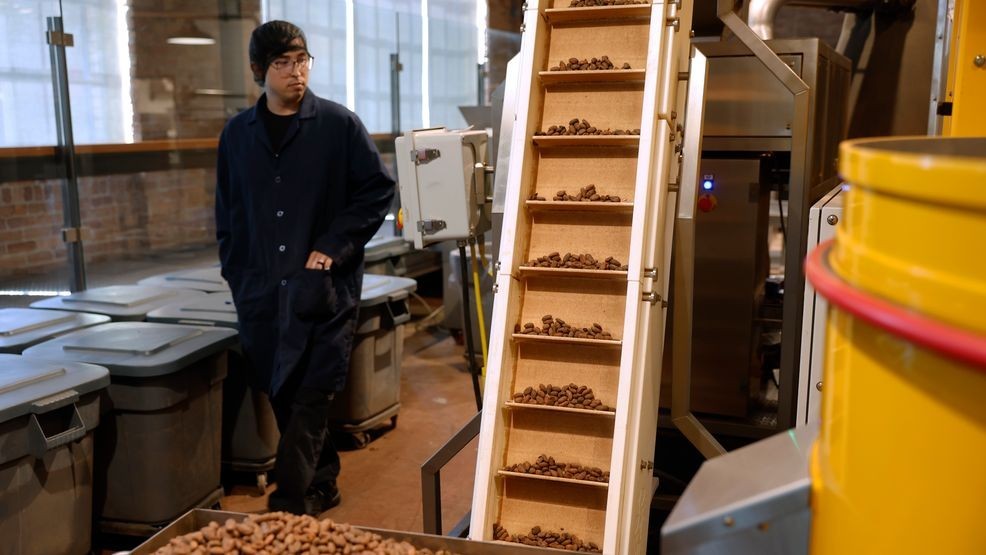
NAM President and CEO Jay Timmons previously told CBS News that U.S. manufacturers want to see trade deals that offer zero-for-zero tariffs. And they want to make sure they aren’t cut off from critical minerals and other vital products they source from overseas suppliers.
Both Mueser and Zagorsky said reshoring manufacturing will make things more expensive for American consumers. And Mueser said that’s the reason he and other economists favor free trade.
Things simply cost more to make in the U.S. than they do in the Philippines or China, for example. American factory wages are higher than they are in other countries, because we have a higher standard of living.
“But that isn't to say that there couldn't be a reshoring effect,” Mueser said. “And it's also the case that if there is reshoring, there'll be a subset of people who benefit.”
Zagorsky spoke about national security concerns of relying on foreign producers.
In that light, he said all the factories don’t have to sit on American soil. But he does think diversifying the supply chain so the U.S. can access more vital goods from friendly nations would benefit national security.