

Trump's housing push faces core problem: America doesn't have enough homes
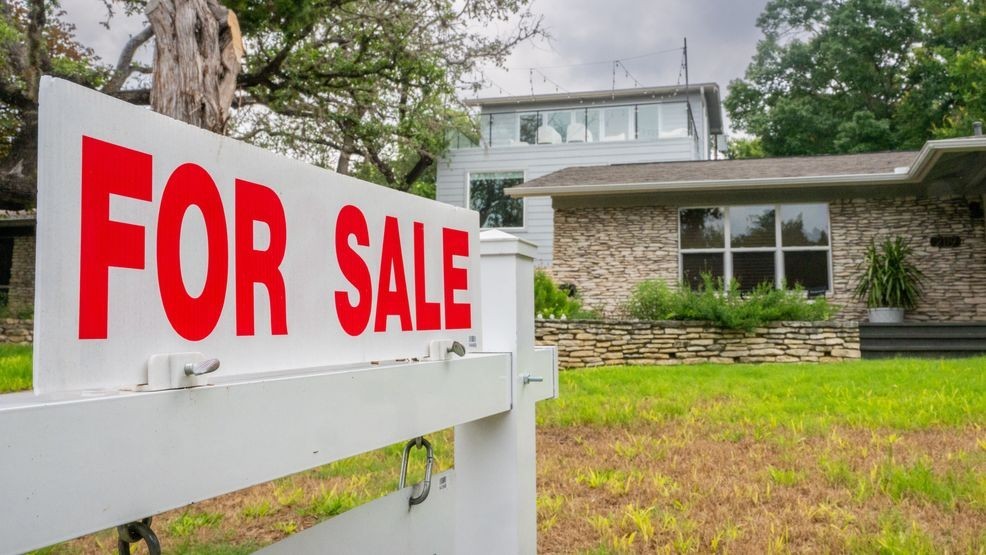
WASHINGTON (TNND) — Addressing the nation’s problems with the soaring cost of housing is creating a balance for policymakers to strike with competing interests from existing homeowners and people hoping to purchase their first property.
Would-be buyers who are stuck renting are hoping to see prices fall so they can afford to make a purchase, while Americans who already own want property values to stay elevated to bolster their wealth and maintain resale value.
Facing pressure over the higher cost of living, President Donald Trump and other administration officials have introduced a series of possibilities aiming to lower the barrier to homeownership as the national average for a new or existing home has sailed over $400,000.
Among the proposals so far are banning institutional investors from owning single-family homes, the creation of a 50-year mortgage and ordering Fannie Mae and Freddie Mac to buy billions in mortgage bonds to push down rates. He is also weighing a plan to allow Americans to use their 401(k) funds for a down payment.
Trump signed an executive order Tuesday night seeking to reduce the number of homes owned by institutional investors. The order only applies to investors who seek conventional mortgages on single-family homes and does not define what large investors are but orders the Treasury Department to create a definition within 30 days.
But analysts have warned that none of the proposals put forth so far solve to root issue of the elevated cost of homes: a lack of supply for people to buy. Fewer homes mean more competition for a limited pool, creating bidding wars and upward pressure on prices even after four consecutive years of slumping sales that has kept list prices moving steadily upward.
The other issue with the White House’s proposals to this point is that it could have the opposite effect and push prices higher by giving buyers more purchasing power, pushing up demand in the market without increasing the number of homes available to buy.
A potentially tricky part is how to address the shortage of homes while keeping valuations, a key driver of household wealth for many families, stable while adding to the supply. Flooding the market with new construction will depress values and hurt a key metric of wealth-building. Homeowners are sitting on trillions of dollars’ worth of equity thanks to the pandemic-era surge in housing prices.
Trump has already acknowledged the difficulty of striking that balance and said during a speech at the World Economic Summit in Davos, Switzerland where he said the U.S. “will not become a nation of renters.”
"The house values have gone up tremendously, and these people have become wealthy," he said. "Every time you make it more and more and more affordable for somebody to buy a house cheaply, you're actually hurting the value of those houses, obviously."
Home construction cratered after the 2008 financial crisis and still has not recovered to a level to meet the demand, leaving the U.S. millions of units short.
“Putting more products on the market will not necessarily reduce the value of one's home. It may, in fact, bring the supply and demand into better equilibrium,” said Keith Munsell, head of the real estate concentration at Boston University’s Questrom School of Business. “If you're building 100million units, sure. But we have underbuilt in this country by about 1,300,000 units a year since 2008, so that's an enormous number.”
In his speech, Trump touted his executive order on institutional investors but did not provide many other new details on his administration’s plans. Home builders have backed his efforts to cut regulations they say make it more difficult and expensive to build.
Builders, already facing a challenging financial environment, are also hesitant to flood the market with new projects that will lower prices and hurt slimming profit margins. Last year brought harsher conditions for builders who were hit with higher rates, increased costs for supplies through inflation and tariffs, and a shortage of workers, all made it harder for projects to turn a profit. Adding to the challenge getting projects to pencil was a limited pool of buyers able to afford homes that cost more than $400,000 on a national average.
It is also difficult to address the housing shortage through the federal government, as the biggest hinderance are zoning and land-use restrictions set by thousands of local bodies scattered across the country. Federal policymakers can incentivize local officials to change regulations, but it is ultimately up to them to loosen restrictions.
“To have everybody with home ownership is laudatory goal, or affordable rents, laudatory goal. But I don't know how the federal government solves this problem without making a financial commitment to doing that, and I don't see the government making a financial commitment to solve homeownership,” Munsell said.
There has been some progress on that front in recent years as backlash to the skyrocketing price of homeownership has changed attitudes with several states cutting environmental rules to speed up projects getting approved and municipalities changing zoning laws allowing for more construction, though getting those switches to happen in high-demand areas will remain an obstacle moving forward.