

Trump gives Iran an ultimatum: Make a deal or face the US military
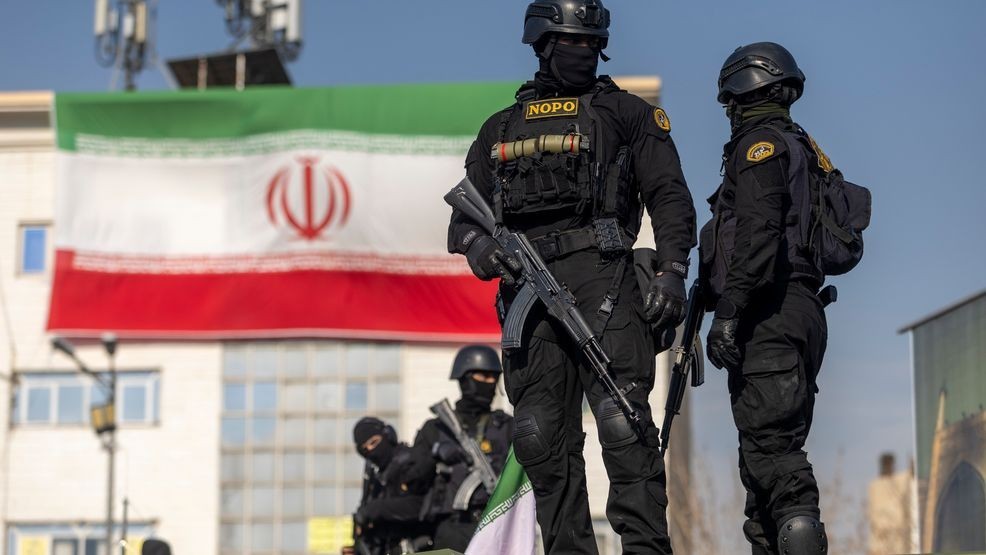
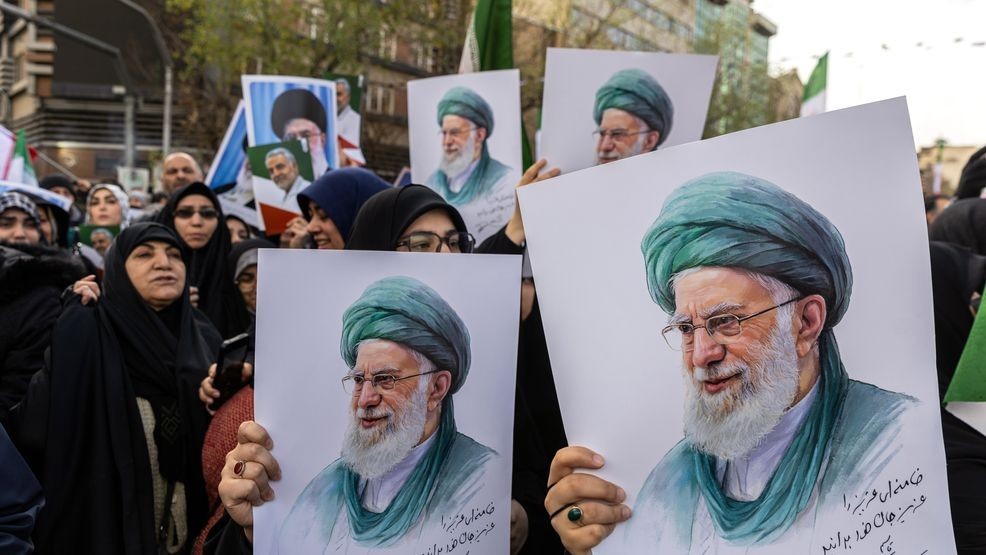
WASHINGTON (TNND) — President Donald Trump delivered Iran an ultimatum as American military assets head toward the Middle East: agree to a deal or face another major strike that threatens further deterioration of the regime’s control over the country.
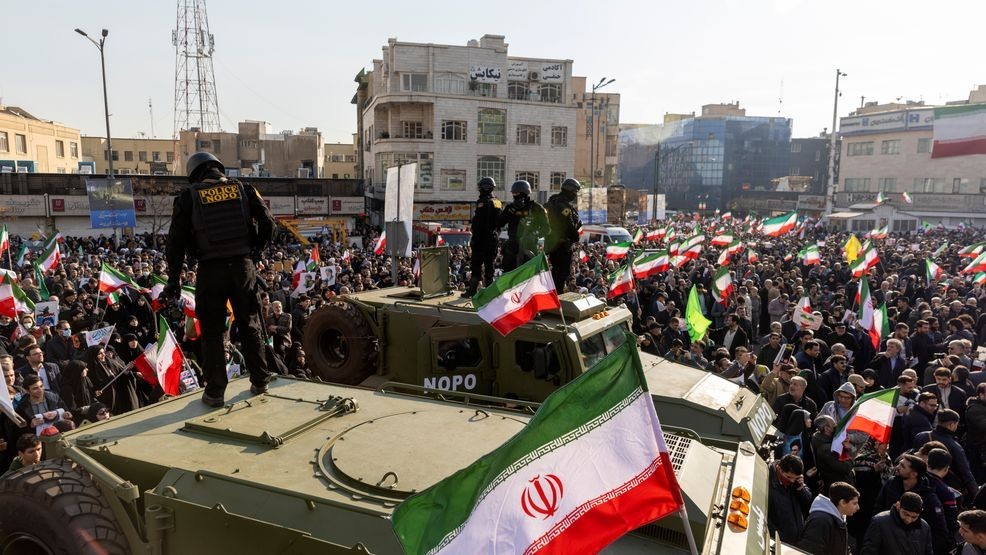
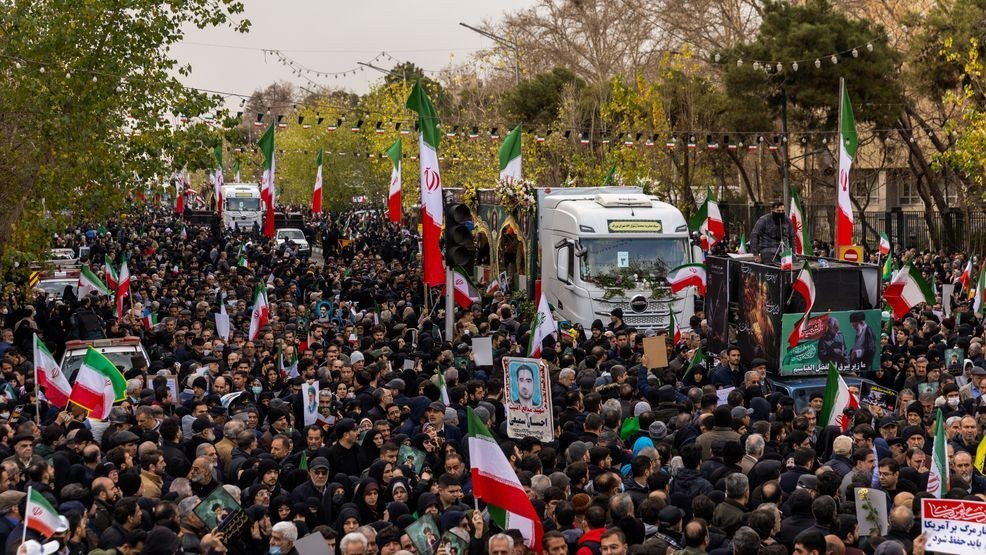
It is the latest escalation in tensions with Iran after massive protests last month prompted the president to threaten military force if the Iranian government didn’t stop its bloody and brutal crackdown on protesters. Trump backed off upon receiving promises from the regime that it would not hang what he said were 800 people who were going to be executed.
As many as 6,000 people were killed in Iran’s suppression of the protests according to some human rights groups’ counts in a death toll that is expected to rise once an internet blackout is lifted.
Trump’s latest threat of direct attacks by U.S. forces comes as the U.S.S. Abraham Lincoln, bombers, fighter jets and other military assets took positions in the region within striking distance to Iran, a move that the president compared to the build-up of forces near Venezuela before the operation to capture Nicolás Maduro and his wife.
“Like with Venezuela, it is, ready, willing, and able to rapidly fulfill its mission, with speed and violence, if necessary. Hopefully Iran will quickly ‘Come to the Table’ and negotiate a fair and equitable deal - NO NUCLEAR WEAPONS - one that is good for all parties,” he wrote on Truth Social.
The Islamic Republic is in its most vulnerable position in decades after the protests amid an economic collapse sparked calls for regime change within the country and required a violent suppression to stop. Its military capabilities are also severely diminished after Israeli air strikes last year that wiped out key pieces of its air defense systems, U.S. bombings of its nuclear facilities and erosion of Hamas and Hezbollah through wars with Israel.
The regime’s weakened state may provide an opportunity to draw concessions for the U.S., but it does not come without risks of another prolonged conflict bringing chaos to the region, a prospect other powers have been trying to avoid.
U.S. officials are reportedly pushing for Iran to put a permanent end to its enrichment of uranium and agree to dispose of all its current stockpiles, placing limits on the range and amount of ballistic missiles in Iran’s stockpile and end all support for its proxy forces in the Middle East. All the demands have been red lines for Tehran for years that are likely to meet fierce resistance if Iran comes to the negotiating table.
Whether military action will lead to changes the U.S. is seeking is uncertain with Iran’s government in a vulnerable and potentially dangerous position.
“What's our objectives? The military can accomplish the military aspect of those operations, but you have to have a plan for success,” said Mark Chandler, former director of Defense Intelligence Agency's Middle East and Africa Center and professor at Coastal Carolina University. “Is it total chaos in Iran and across the region, or is it removal of certain aspects that start you on a path toward compliance?”
Iranian officials have upped the ante in response to Trump’s threats of force with warnings of an “unprecedented” response.
“Our brave Armed Forces are prepared—with their fingers on the trigger—to immediately and powerfully respond to ANY aggression against our beloved land, air, and sea,” Iranian foreign minister Abbas Araghchi said Wednesday on social media. Iranian officials have also said they will not engage in diplomatic efforts under the threat of force.
There are still tens of thousands of U.S. troops at bases and installations in the Middle East that could be vulnerable to a counterattack. Even with its capabilities degraded from the U.S. and Israeli strikes, Iran could still hit targets in places like Israel, Saudi Arabia and the United Arab Emirates. Some troops were moved out of the region earlier this month when Trump was considering strikes in response to the violent crackdown on protesters.
Secretary of State Marco Rubio told lawmakers during a Wednesday hearing that the buildup was largely for defensive posture to protect troops within the reach of Iran’s drones and ballistic missiles, but American forces could also “pre-emptively act.”
Back-channel negotiations through intermediaries and other countries in the region have yielded little progress so far and analysts see minimal scenarios where Tehran would be willing to budge on its longstanding positions on Trump’s demands, potentially teeing up a difficult decision on whether the U.S. will follow through on its threats to attack.
“A lot of hard liners inside that government, and that includes the (Islamic Revolutionary Guard), are not going to really allow the leadership to do that,” Chandler said. “If you walk away from striking, you better walk away publicly saying you got these concessions, but I don't know that Iran is going to give those concessions.”
Whether the U.S. will be willing to accept lesser concessions from Iran remains to be seen, along with what a possible strike and counterattack will look like and what effects it will have on Tehran. Trump has said it is time for new leadership in Tehran but the administration has not been directly stating its goal in the latest spat is regime change.
If it were to fall, what would happen next in Iran and the surrounding area is an open question even Rubio said nobody has the answer to.
“I mean, no one knows who would take over,” he said.