

Rubio tells senators Venezuela 'better off' after Maduro capture despite pushback
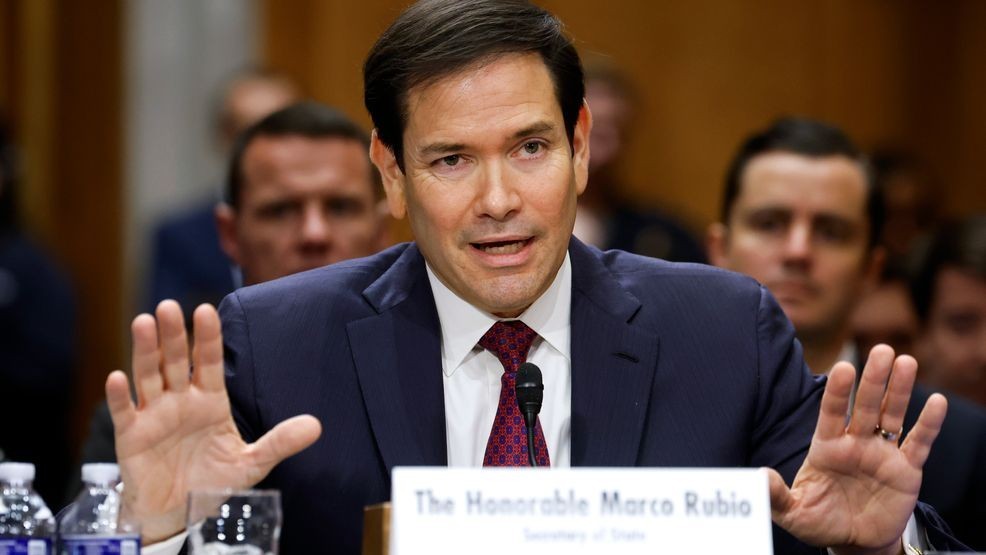
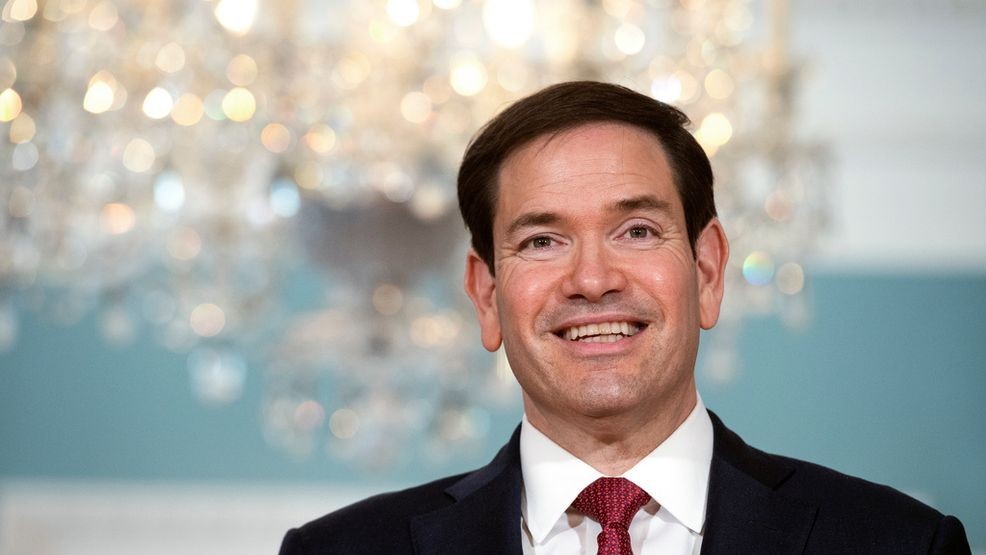

WASHINGTON (TNND) — Secretary of State Marco Rubio told the Senate Foreign Relations Committee on Wednesday that Venezuela is "better off today" after the surprise U.S. capture of former Venezuelan President Nicolás Maduro.
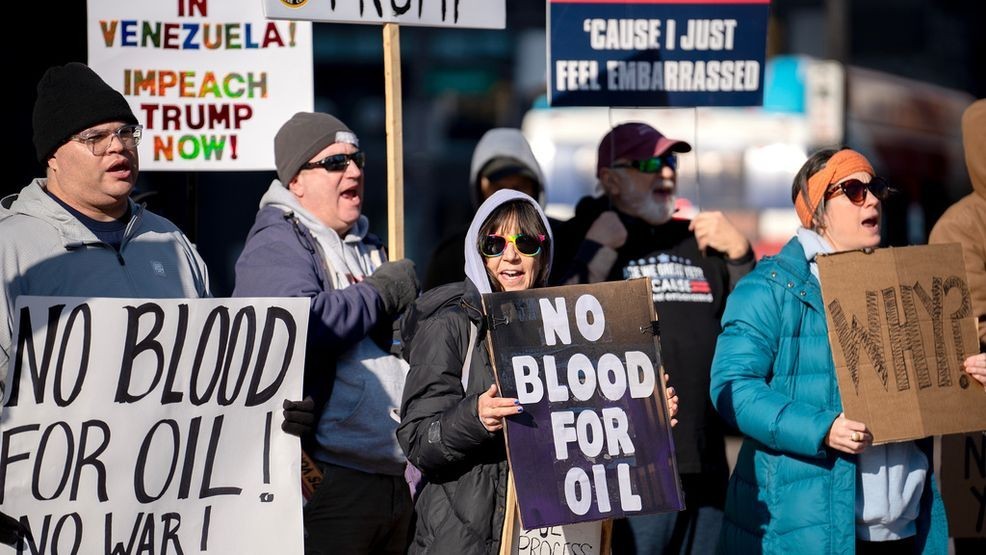
Bipartisan lawmakers expressed concerns after the operation about the U.S. involvement in Venezuela and advanced a war powers resolution in the Senate in an effort to rein in President Donald Trump's power to carry out further military strikes.
Ultimately, Senate Republicans blocked the bill with Vice President JD Vance breaking a 50-50 deadlock.
After Maduro's capture, Trump declared the U.S. would "run" Venezuela, raising questions and concerns about the administration's plans for the country. Delcy Rodríguez, Maduro's vice president, was sworn in as interim president on Jan. 5.
The U.S. has continued to carry out strikes on alleged drug smuggling boats, killing at least 126 people since Sept. 2. A strike on Jan. 23 was the first since Maduro's capture.
Pushback on the alleged drug boat strikes began on Tuesday when the families of two Trinidadian nationals killed filed what is thought to be the first wrongful-death case.
As Rubio was preparing to give his remarks, a protester interrupted by holding up a sign that read "Hands off Venezuela," before being dragged out of the chamber by security.
"You know the drill, off to jail," chair of the committee, Sen. James Risch, said. "That's a one-year ban from the committee. Anyone who is a persistent violator will be sentenced for three years. I hope after three years, he'll find a more productive means of employment."
Instead of reading his prepared remarks verbatim, Rubio went off script and informed senators of what would happen with Venezuela moving forward.
"The end state here is we want to reach a phase of transition where we are left with a friendly, stable, prosperous Venezuela and democratic, in which all elements of society are represented in free and fair elections," Rubio explained, adding stability is key after Maduro's removal, avoiding Civil War and a refugee crisis.
Rubio also said America was safer and more secure as a result of the operation, and the administration will work with interim authorities to stabilize the South American country.
I mean, look, at the end of we are dealing with people over there that have spent most of their lives living in a gangster paradise, so it's not going to be like from one day to the next we're going to have this thing turned around overnight, but I think we're making good and decent progress," Rubio told senators. "It is the best plan and we are certainly better off today in Venezuela than we were four weeks ago.
Benefits soon to be seen, according to Rubio, include Venezuela selling oil that is now subject to U.S. sanctions, with the revenue set aside to pay for basic government services such as policing and health care. He said money from oil sales will be deposited in an account controlled by the U.S. Treasury and will be released after Washington approves monthly budgets to be submitted by Venezuelan authorities.
“The funds from that will be deposited into an account that we will have oversight over,” Rubio said. Venezuela, he said, “will spend that money for the benefit of the Venezuelan people.”
Risch praised Trump's decision to remove Maduro and the deadly military strikes on suspected drug trafficking boats in the Caribbean Sea and eastern Pacific Ocean.
However, Sen. Jeanne Shaheen, D-NJ, questioned whether the operation was worth it, considering most of Maduro's top aides and lieutenants still run Venezuela, and the economic situation there remains bleak.
"We’ve traded one dictator for another, so it’s no wonder that so many of my constituents are asking, why is the president spending so much time focused on Venezuela instead of the cost of living and their kitchen table economic concerns?" she asked. “From Venezuela to Europe, the United States is spending more, risking more and achieving less.”
Rubio said officials are also working to normalize ties with acting president Rodriguez, stating that he believes "her own self-interest aligns with advancing our key objectives."
The administration has said its demands for Rodríguez include opening Venezuela’s energy sector to U.S. companies, providing preferential access to production, using oil revenue to purchase American goods, and ending subsidized oil exports to Cuba.
Rodríguez said Tuesday her government and the U.S. "have established respectful and courteous channels of communication."
As a sign of her cooperation with Trump's demands, she released prisoners jailed by the government under Maduro and his predecessor, Hugo Chávez. On Monday, the head of a Venezuelan human rights group said 266 political prisoners had been freed since Jan. 8.
Earlier this month, the U.S. and Venezuelan governments announced that they were exploring restoring diplomatic relations. The State Department said a small team of U.S. diplomats and diplomatic security officials traveled to Venezuela to make a preliminary assessment about the potential re-opening of the U.S. Embassy in Caracas.
_____
Editor's note: The Associated Press contributed to this article.