


President Trump targets South Korea with tariff increase on autos, lumber, and pharma
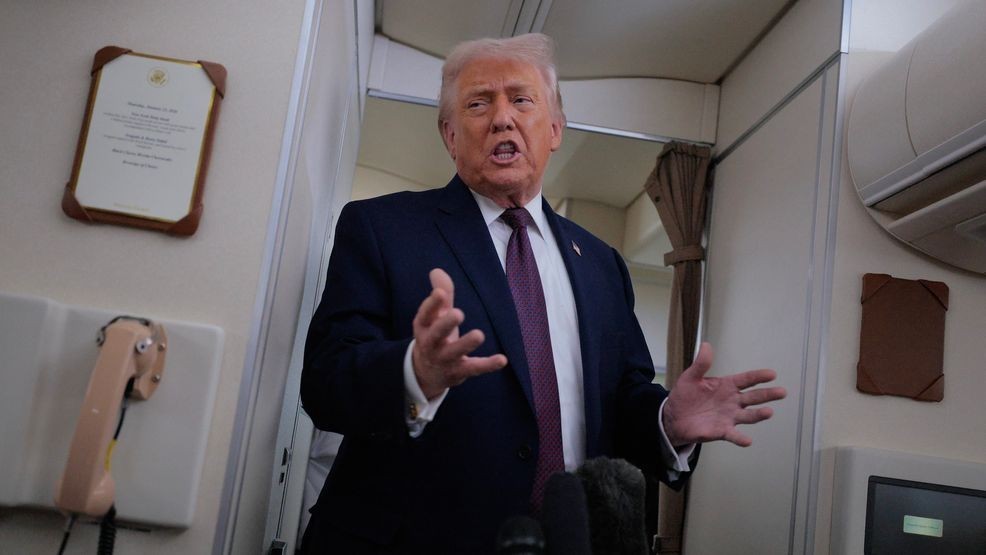
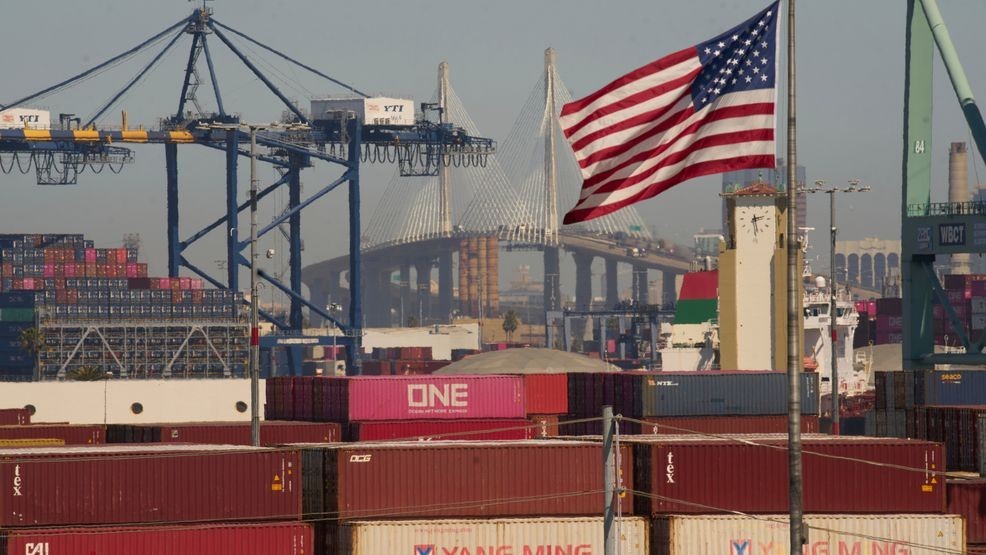
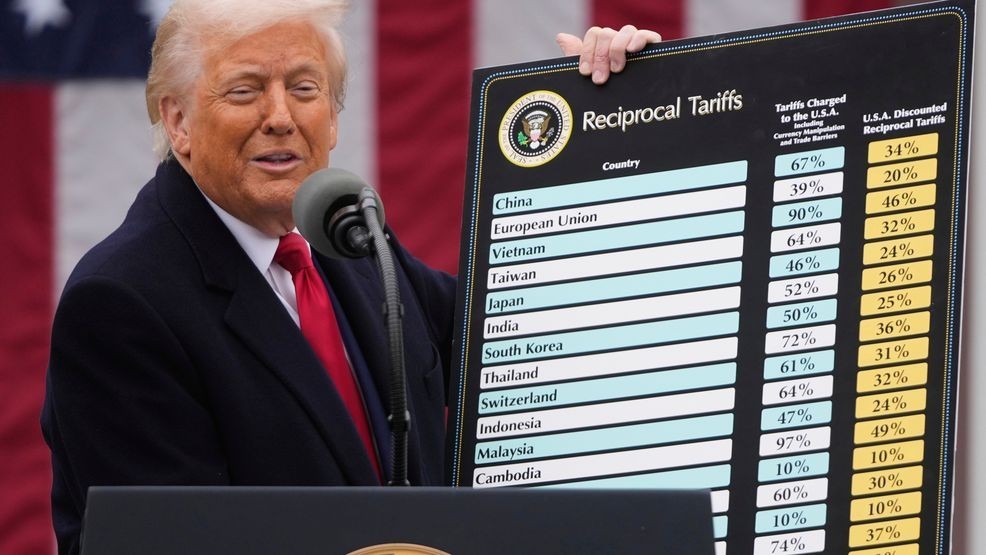
(TNND) — On Monday President Donald Trump said he is increasing tariffs on South Korean imports into the United States to 25% targeting auto parts, lumber and pharmaceuticals.
Trump accused the U.S. ally’s legislature of “not living up” to its trade deal with Washington.
"South Korea's Legislature is not living up to its Deal with the United States," Trump wrote on Truth Social. “Because the Korean Legislature hasn't enacted our Historic Trade Agreement, which is their prerogative, I am hereby increasing South Korean TARIFFS on Autos, Lumber, Pharma, and all other Reciprocal TARIFFS, from 15% to 25%.”
Last year South Korea had announced it was working to implement a deal that lowered U.S. tariffs against many of its exports to 15%.
However, earlier this month, the South Korean finance minister said the country’s planned investment of $350 billion into U.S. sectors under the trade deals was not likely to take effect in the first half of 2026 due to weak currency.
While Trump has leveraged tariffs throughout his second term in office in his foreign policy, economists have raised concerns about this approach as the policy faces a case in the U.S. Supreme Court.
Last year, Washington and Seoul agreed to set tariffs on U.S. imports of Korean auto and auto parts at 15%, down from 25%, leveling them with their Japanese competitors. And as part of the $350 billion South Korean investment, Seoul would pay $200 billion in phased installments that would be capped at $20 billion a year to maintain the country’s currency stability.
The president did not make it clear when the tariff increase would take effect.