

Obamacare enrollment down more than 1 million as coverage becomes more expensive
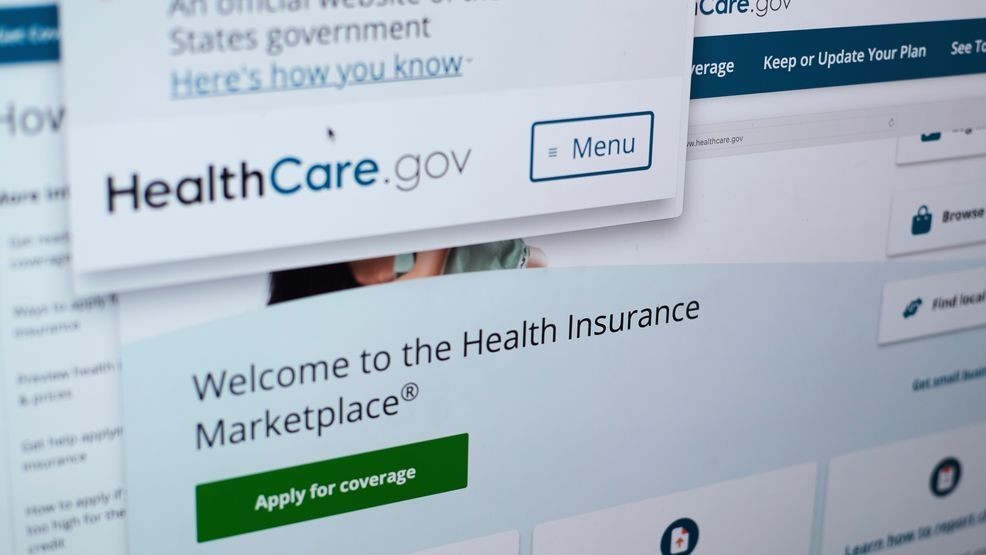
(TNND) — Over 1 million fewer people are enrolled in Affordable Care Act health insurance following the expiration of enhanced tax credits that made coverage more affordable.
And that’s just the first wave of attrition.
“There's probably going to be a bunch more falling off over the next few months if you'd ask me, and the number's probably bigger than already fell off,” said Simon Haeder, an associate professor of public health at Ohio State University.
The Centers for Medicare & Medicaid Services reported this week that nearly 23 million people enrolled in a 2026 ACA, or Obamacare, plan. That counts enrollees in the 30 states that use the federal government’s platform, as well as enrollees in the 20 states with their own health insurance exchanges.
There are a handful of states, including California, where the open enrollment period hasn’t ended. But the open enrollment period ended Jan. 15 for the federal government and most states.
More than a million fewer Americans are now covered compared to the record-high 24 million people enrolled in Obamacare last year.
Estimates from the Congressional Budget Office, Urban Institute and others called for 4 million or more people losing health insurance due to the expiration of the enhanced Obamacare subsidies, which were introduced in 2021’s American Rescue Plan and extended through last year as part of 2022’s Inflation Reduction Act.
KFF projected Obamacare premiums would more than double on average if the subsidies lapsed, which they did after Congress couldn’t come up with a compromise.
For example, KFF said that a person making $35,000 would see their annual premiums for a benchmark plan increase by nearly $1,600, from $1,033 to $2,615.
Obamacare enrollment had plateaued at around 10.5 million people each year before the pandemic, but the subsidies gave a jolt to sign-ups, according to the Pew Research Center.
Now, costs are rising, and enrollment is falling.
And Haeder said the drop we’ve already seen is just the tip of the iceberg.
Most of the nearly 23 million enrollees are returning customers.
Existing customers were passively signed up for continuing coverage if they did nothing.
Last year’s One Big Beautiful Bill clamped down on auto-enrollments in future years, but Haeder said folks had to put in some amount of effort if they wanted to drop their coverage this time around.
There were 19.5 million returning customers, down about 4.6 million from last year’s total enrollment and over 600,000 fewer returning customers compared to 2025.
The decline also included fewer new sign-ups, from 3.9 million last year to 3.4 million this cycle.
SEE ALSO: Average at best: Americans give health care 'C' grade
Haeder said there are also likely a sizable number of people who held onto their plans, thinking Congress would come through with an extension to the enhanced premium tax credits.
When the bigger bills start arriving, there’s probably going to be another wave of people dropping coverage, Haeder said.
And insurance carriers will start automatically dropping coverage for people who don’t pay their premiums for a few months. That means there could be a final wave of passive disenrollment around April.
Potentially millions of Americans could lose their health coverage when all is said and done. And Haeder said that’ll have far-reaching impacts.
RELATED STORY: Health insurance premiums 3-times higher than wages over last 25 years
People will find it hard to come up with the extra money to continue Obamacare coverage if they’re not really sick. That means healthier people will drop coverage, and sicker people will stick around.
A greater share of sicker people will put upward pressure on premiums for everyone, Haeder said.
There’s a downside to individuals, who risk a life-impacting sickness or injury without coverage.
And there’s going to be added strain on hospitals and clinics, Haeder said.
“We're going to see some pressure, particularly in the states that haven't expanded Medicaid, like Texas and Florida,” he said. “We're going to see some pressure on health care providers, particularly in rural areas, because, look, people had health insurance, now they don't have health insurance. They might not come in when they have a cold. But if something really bad happens to them, they will come in – a car accident or they fall off a ladder or they burn themselves, they will still be in. This will be very expensive, put a lot of pressure on health care providers.”