


'100 percent avoidable': NTSB finds probable cause of midair crash near DCA a year later
WASHINGTON (7News) — The National Transportation Safety Board (NTSB) determined the probable cause of last year’s midair collision over the Potomac River near Reagan National Airport after a 10-hour board meeting on Tuesday.
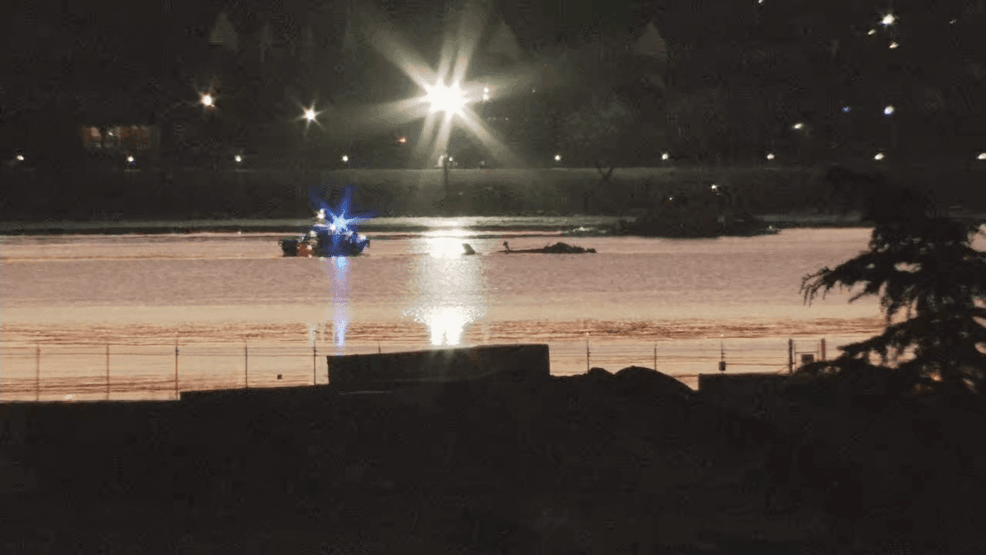
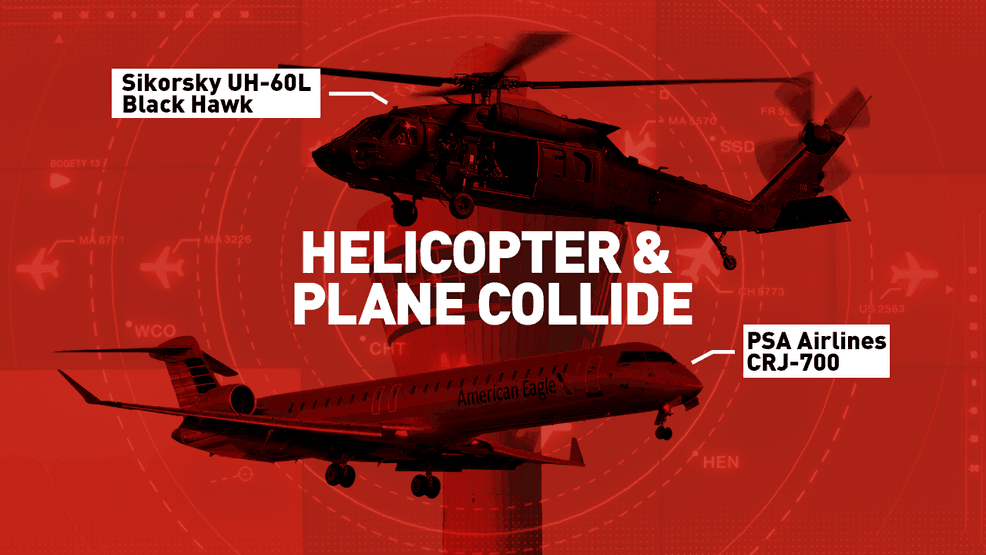
The American Airlines plane, carrying 60 passengers and four crew members, collided with a U.S. Army Black Hawk helicopter on Jan. 29, 2025, which had three soldiers onboard. There were no survivors.
PREVIOUS | 1 year later, DC remembers deadly midair collision over Potomac River
Multiple groups were found culpable. In part, the "NTSB determines that the probable cause of this accident was the Federal Aviation Administration’s placement of a helicopter route in close proximity to a runway approach path; their failure to regularly review and evaluate helicopter routes and available data."
The safety board also identified "degraded performance" of the overworked control tower and the Army's failure to disclose faulty barometric altimeters in helicopters.
The NTSB determines that the probable cause of this accident was the Federal Aviation Administration’s placement of a helicopter route in close proximity to a runway approach path; their failure to regularly review and evaluate helicopter routes and available data, and their failure to act on recommendations to mitigate the risk of a midair collision near Ronald Reagan Washington National Airport (DCA); as well as the air traffic system’s overreliance on visual separation in order to promote efficient traffic flow without consideration for the limitation of the see-and-avoid concept. Also causal was the lack of effective pilot-applied visual separation by the helicopter crew, which resulted in a midair collision. Additional causal factors were the tower team’s loss of situation awareness and degraded performance due to the high workload of the combined helicopter and local control portions and the absence of a risk assessment process to identify and mitigate real-time operational risk factors, which resulted in mis-prioritization of duties, inadequate traffic advisories, and the lack of safety alerts to both flight crews. Also causal with the Army’s failure to ensure pilots were aware of the effects of error tolerances on barometric altimeters in their helicopters, which resulted in the crew flying above the maximum published helicopter route altitude. Contributing factors include:
The limitations of the traffic awareness and collision alerting system on both aircraft, which precluded effective alerting of the impending collision to the flight crews
An unsustainable airport arrival rate, increasing traffic volume with a changing fleet mix, and airline scheduling practices at DCA, which regularly strained the DCA air traffic control tower workforce and degraded safety over time;
The Army’s lack of a fully implemented safety management system, which should have identified and addressed hazards associated with altitude exceedances on the Washington dc helicopter routes
The FAS’s failure across multiple organizations to implement previous NTSB recommendations, including Automatic Dependent Surveillance-Broadcast In, and to follow and fully integrate its established safety management system, which should have led to several organizational and operational changes based on previously identified risks that were known to management
Board members reviewed findings from the investigation into the crash involving the PSA Airlines regional jet and a U.S. Army Black Hawk helicopter.
The board voted on 50 safety recommendations aimed at preventing similar accidents. The recommendations will now go to The Federal Aviation Administration, US Army, Department of War and Department of Transportation.
Communication Gaps
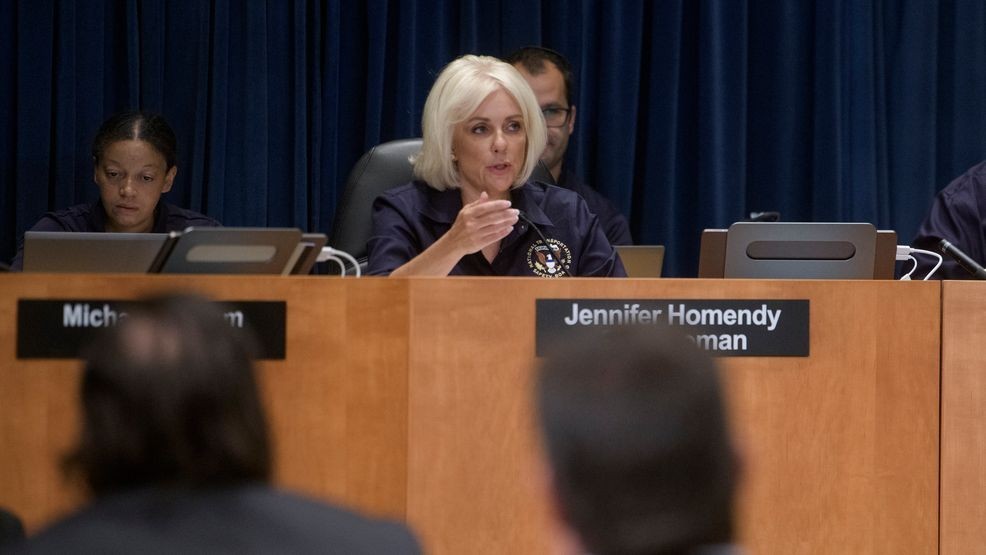
NTSB Chair Jennifer Homendy said the Federal Aviation Administration (FAA) had no idea who the terminal operations service director was. That's the person responsible conducting annual reviews ensuring the safety of helicopters surrounding the airspace around DCA.
Local air traffic control and helicopter control positions were combined at the time of the crash.
- Combining positions like these is common, but current policy at DCA was that they should normally not be combined.
- NTSB found combined positions increased controller workload and reduced situation awareness.
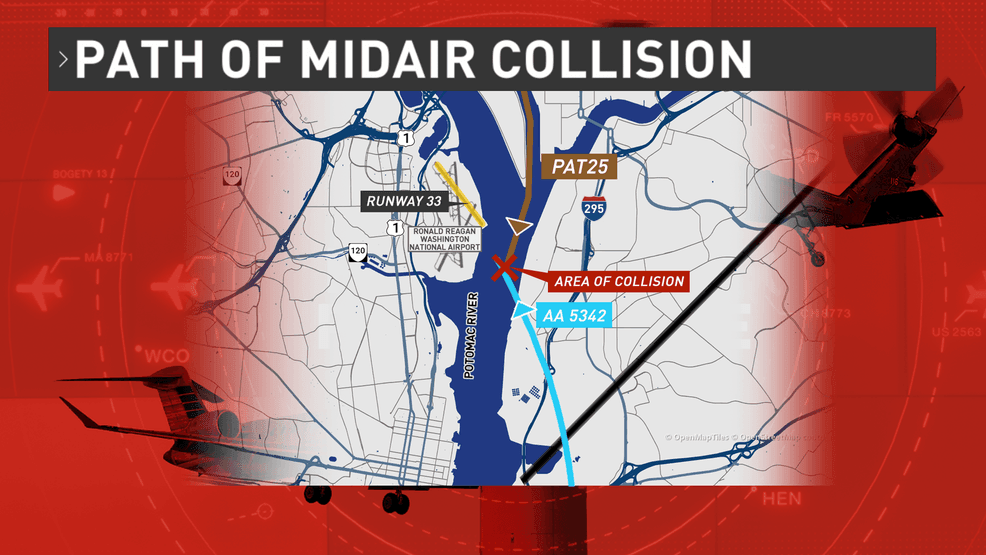
A local controller was broadcasting on both the airplane and helicopter radio frequencies, but airplane communications were only heard in other planes and helicopter communications only heard in other helicopters.
During the hearing, officials said traffic volume increased about 90 seconds before the crash.
A local controller told investigators they were concerned about close proximity of aircraft and their converging courses. The NTSB found that because of that, coupled with the conflict alert active at the time, the controller should’ve issued a safety alert. Had a safety alert been issued, it would’ve increased situational awareness of both crews and alerted them to proximity of each other, the NTSB found.
Technology concerns
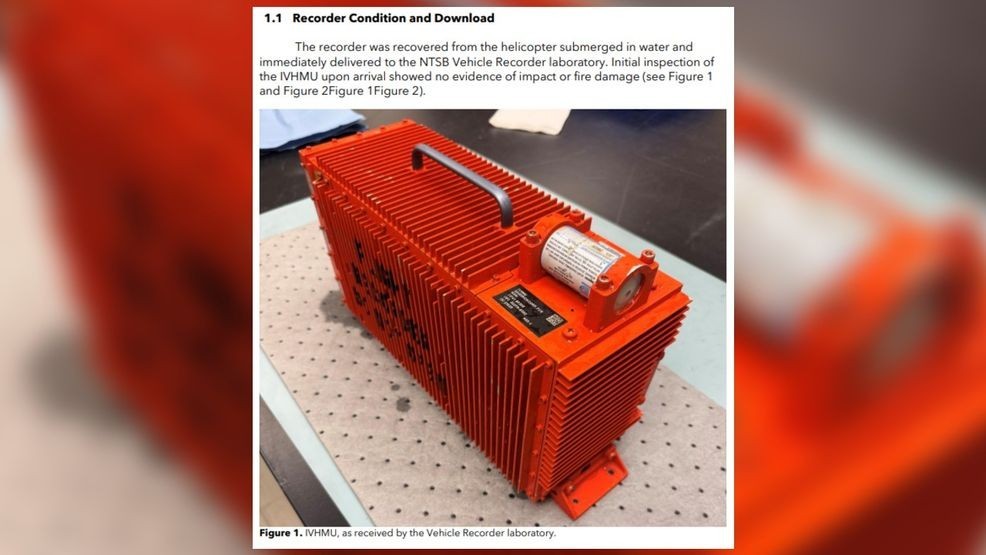
We also learned more about inaccuracies with the Black Hawk helicopter’s altimeter, which measures altitude.
An NTSB official testified that the Army was aware of issues with the Black Hawk helicopter's altimeter, but the pilots weren’t, so they didn’t realize how high they were flying.
The investigator-in-charge said both aircraft were properly certificated, equipped, and maintained.
RELATED | Chair of NTSB speaks with 7News ahead of plane crash findings