


Midair collision over Potomac: 1 year later, safety concerns persist
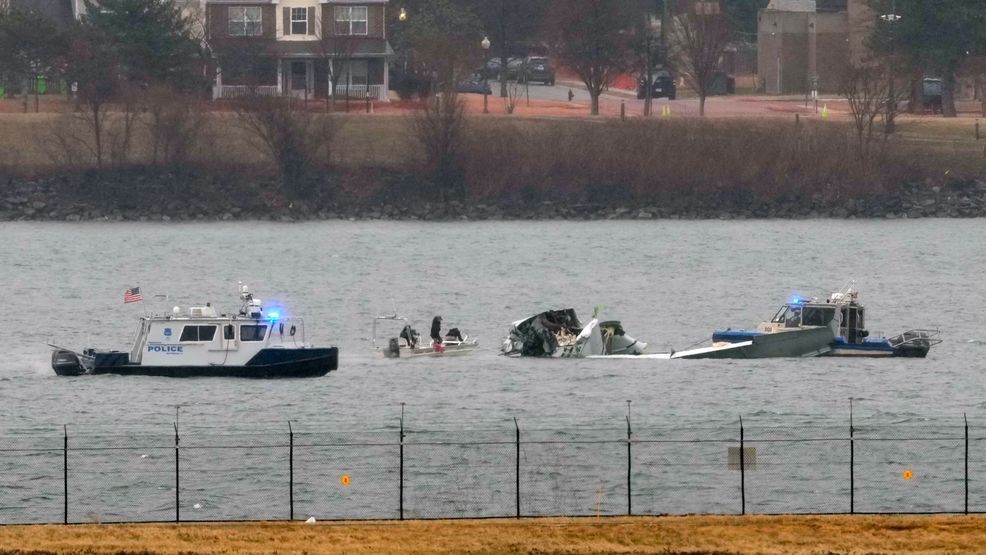
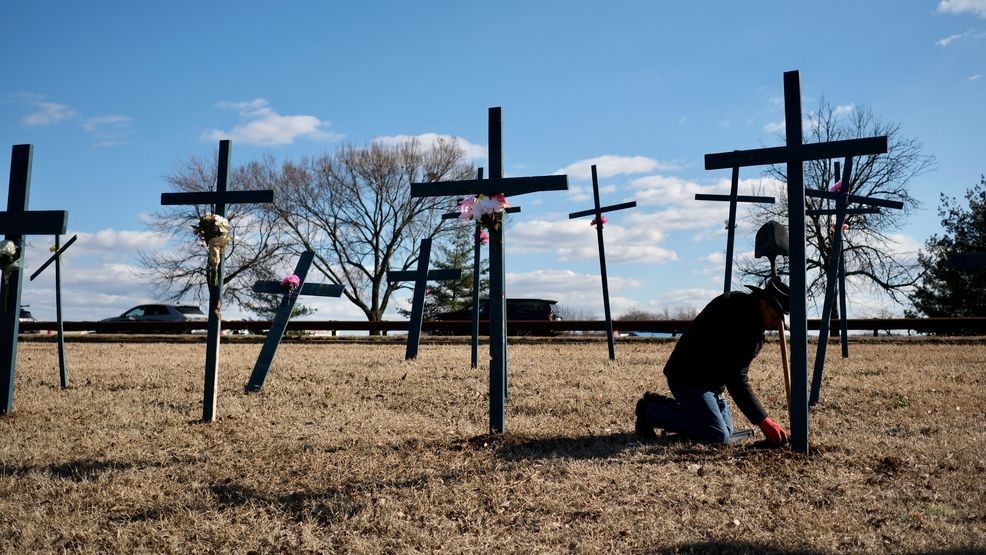
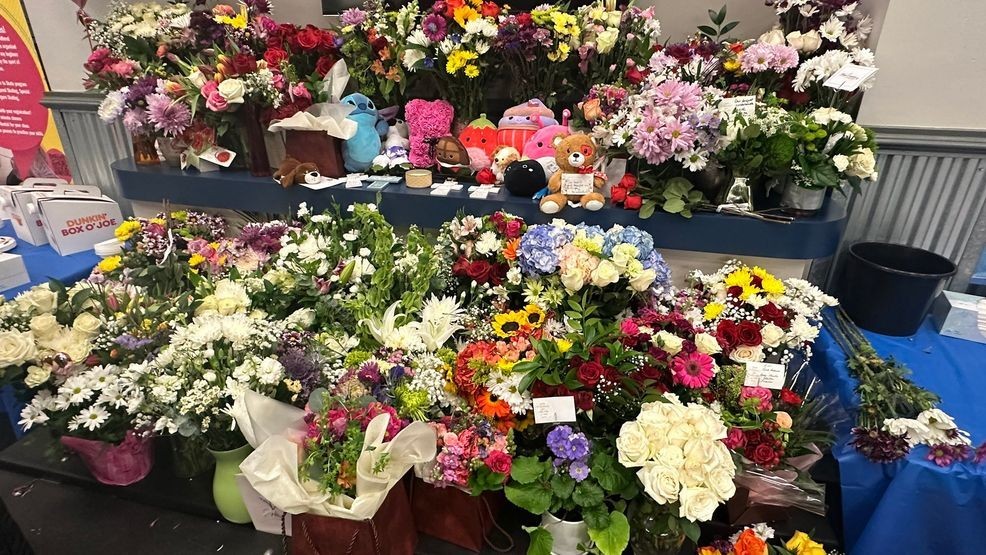
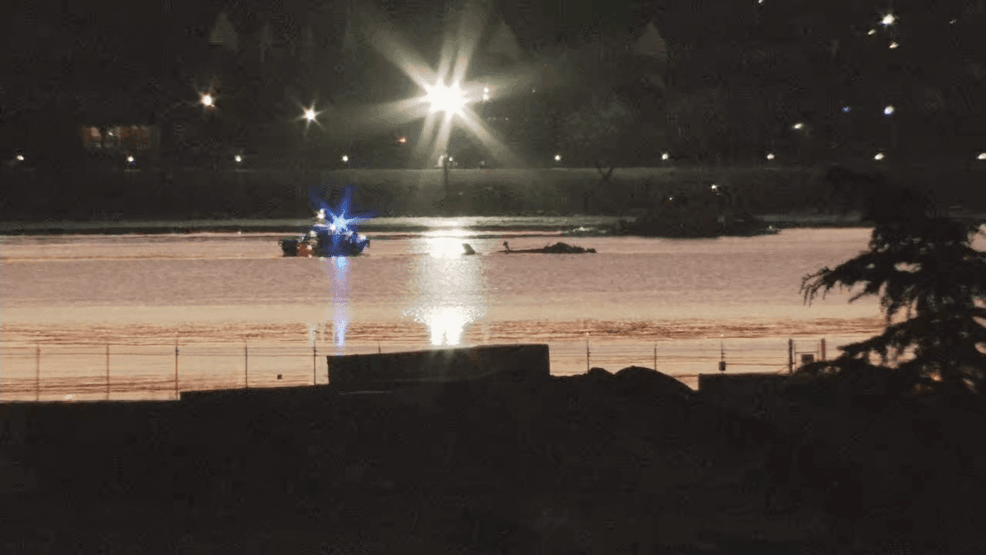
ARLINGTON, Va. (7News) — This week marks the one-year anniversary of the tragic midair collision between an Army Black Hawk helicopter and an American Eagle plane, which claimed the lives of 67 people. The crash, which occurred over the Potomac River near Reagan National Airport, has been attributed to a series of unresolved safety issues that had been ignored for years.
Amy Hunter and Laura Augendre, who lost their cousins Peter Livingston, his wife Donna, and their daughters Everly and Alydia in the crash, have become vocal advocates for aviation safety. "What we kept hearing over and over again was that, this was an accident waiting to happen. It was a preventable accident," they said.
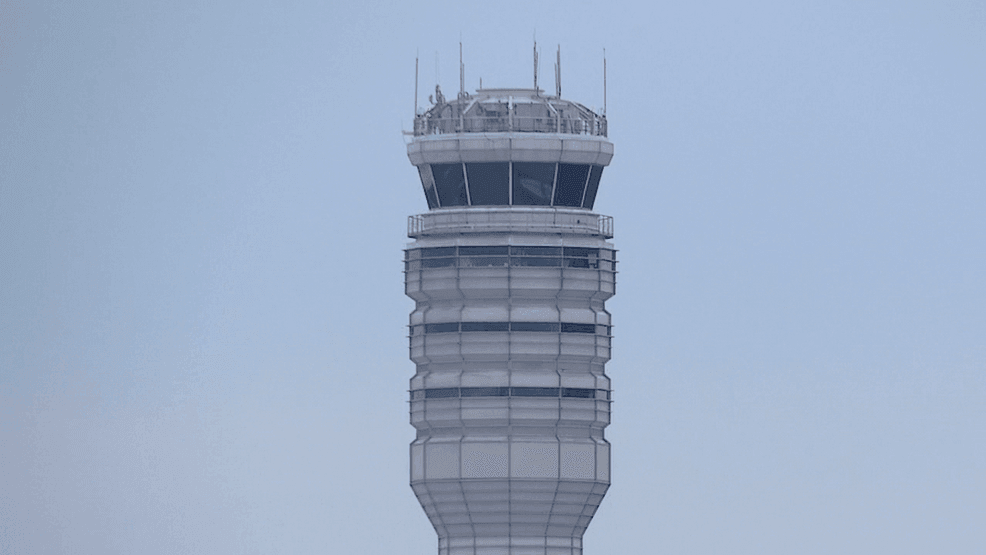
The National Transportation Safety Board (NTSB) investigation revealed numerous safety lapses, including over 15,000 close-proximity events in the three years leading up to the accident. On the night of the crash, the Army Black Hawk helicopter's position beacon was not activated, and pilots were instructed to maintain visual separation, essentially relying on sight to avoid other aircraft. Additionally, the air control tower was short-staffed, with personnel managing both helicopters and airplanes.
Steve Scheibner, a former military and commercial pilot, expressed concerns about the airspace changes made after 9/11, which have complicated flight paths in and out of Reagan National. "They took what was essentially an eight-lane highway in and out of DCA, and they turned it into a two-lane country road that goes up and down the Potomac River," he said.
Scheibner also criticized the decision to conduct training flights in commercial airspace over a crowded airport. "There is no effective training that takes place in commercial airspace over a crowded airport," he said.
As the anniversary of the crash passes, questions remain about what has been done to address these safety issues and what further actions are needed to ensure the skies over DCA are safe.