

Fact Check Team: Presidential pardons: a tool for justice or a spark for controversy?
WASHINGTON (TNND) — During President Trump’s first year back in office, he hasn't held back when using one of the most powerful tools a president has: clemency, including pardons and commutations.
The Wanda Vázquez pardon
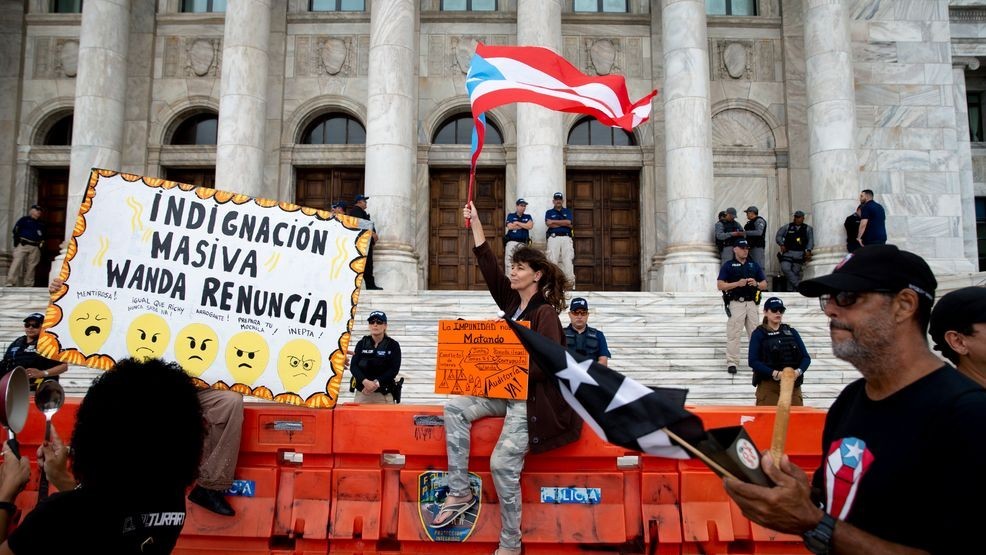
Last week, President Trump announced a pardon for former Puerto Rico Governor Wanda Vázquez Garced, who had been indicted in a 2022 federal case tied to alleged campaign finance and corruption-related conduct. According to The New York Times, the White House defended the decision by calling the prosecution politically motivated. This wasn’t a one-person pardon; the clemency also applied to Julio Martín Herrera Velutini and Mark Rossini, who were connected to the same case.
Trump isn’t the first president to trigger a national pardon backlash
The controversy around this case may be new, but the broader argument isn’t.
One of the most historic examples is Gerald Ford’s 1974 pardon of Richard Nixon, a decision that followed Watergate and sparked a major debate over accountability versus moving on. Another major flashpoint came in 2001, when Bill Clinton pardoned Marc Rich, a fugitive financier, a move that drew intense scrutiny, especially because it happened in Clinton’s final days in office.
Clemency is usually late-term, which is why early moves draw attention
A Pew Research Center analysis found clemency is increasingly concentrated late in a president’s term, when political costs are lower and presidents often deliver what feels like a “last word.”
That timing is part of what makes Trump’s early clemency moves stand out, and why each major pardon can quickly turn into a national argument about whether clemency is correcting injustice or undermining accountability.