

Expert Settles the Faucet Drip Debate and Shares Other Cold-Weather Tips
Austin, TX — As temperatures drop across Central Texas, one question keeps popping up online: Should you drip your faucets or let them stream?
To settle the debate, we spoke with Mike Gonzales, owner of City Wide Services in Austin, which provides HVAC, plumbing, and electrical services across the area. His answer may surprise you.
So drip or stream?
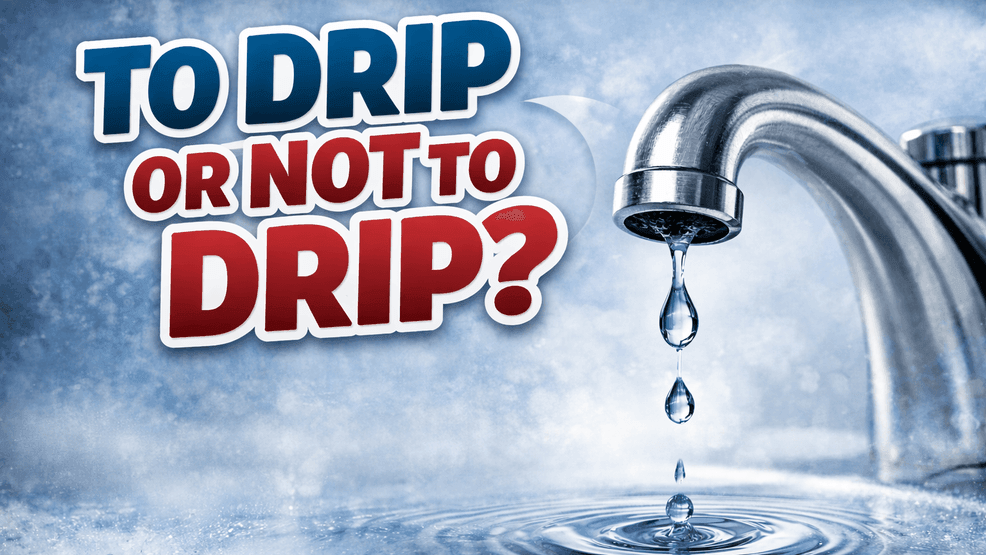
According to Gonzales, there’s no exact formula and no need to overthink it. “There’s really no right or wrong answer,” he said. “It’s more of a common-sense approach. You don’t need a steady stream. A steady drip is enough.”
The goal, Gonzales explained, is simple: keep water moving so it doesn’t freeze inside your pipes. “It just needs enough flow to keep the water from solidifying and breaking the pipes,” he said.
If you’re wondering whether that dripping water needs to go down the drain, it doesn’t matter. Gonzales says sewer pipes are large enough that freezing isn’t a concern.
Which faucet matters most
Not all faucets are created equal when it comes to freezing risk.
“The most important sink is the one on an exterior wall,” Gonzales said. “Especially in older homes with less insulation.”
If possible, he recommends dripping the faucet farthest from your main water supply line. That way, water is flowing through more of your home’s plumbing.
Don’t forget the heat even if you’re not home
With several nights of freezing temperatures expected, Gonzales says keeping your home warm is critical — even if no one is there.
“Leave the heat on, around 65 to 70 degrees,” he said. “Open cabinet doors under sinks and keep that steady drip going. That’s your insurance.”
Other cold-weather plumbing tips
Gonzales also shared a few easy steps homeowners often forget:
Disconnect outdoor hoses from hose bibs
Cover outdoor faucets, even a towel secured with tape can help if you don’t have a foam cover
Turn on your pool pump and let it run to prevent freezing
Know where your main water shutoff valve is before an emergency happens. “If a pipe bursts after things thaw, and you don’t know where that shutoff is, you’re going to be panicking,” Gonzales said.
He also recommends keeping a water key on hand. It’s a simple tool that allows you to shut off your water safely without risking injury from rusted or damaged valves.
If something does go wrong
City Wide Services says it’s prepared for an increase in calls during the cold snap, ranging from small leaks to major pipe breaks. If you experience a plumbing or heating issue, Gonzales says the first step is always shutting off the water, then calling a professional once conditions are safe.
As Central Texas braces for more freezing temperatures, Gonzales says a little preparation now can prevent a major headache later. Contact City Wide here.