


How Music City really got its name
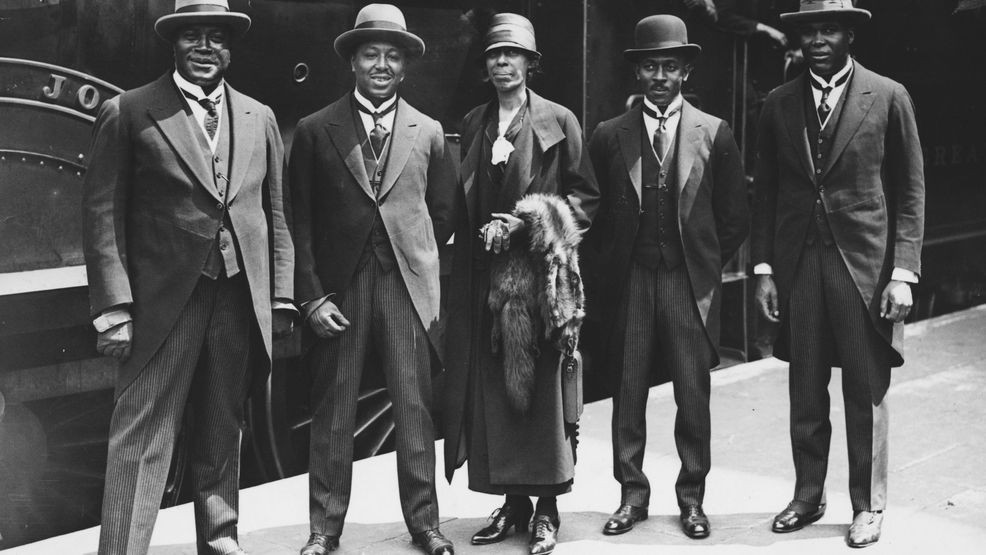
WASHINGTON (Amazing America TV) — Nashville has become synonymous with country music. But if you think that’s how Music City got its name, think again.
You can thank a group of nine formerly enslaved people and Queen Victoria — yes, you read that right.
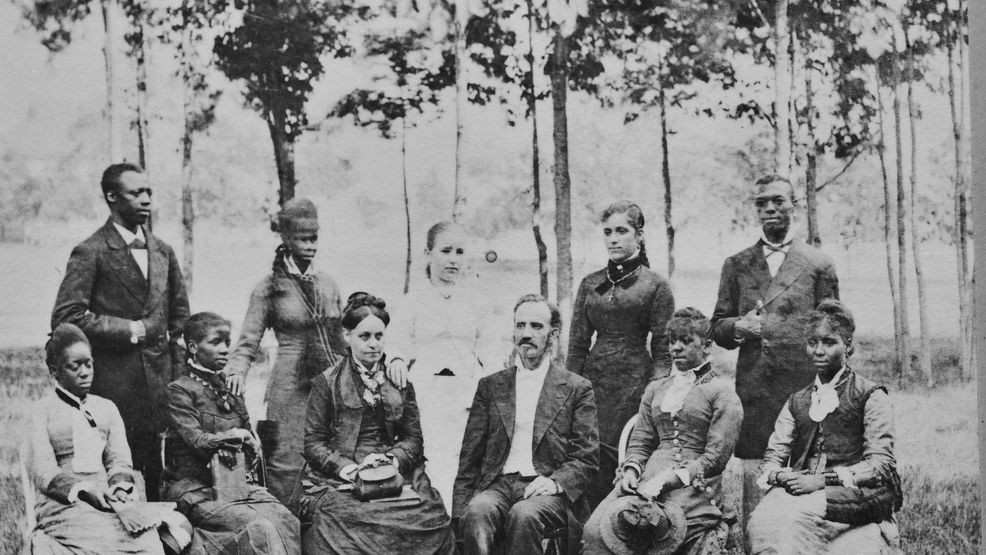
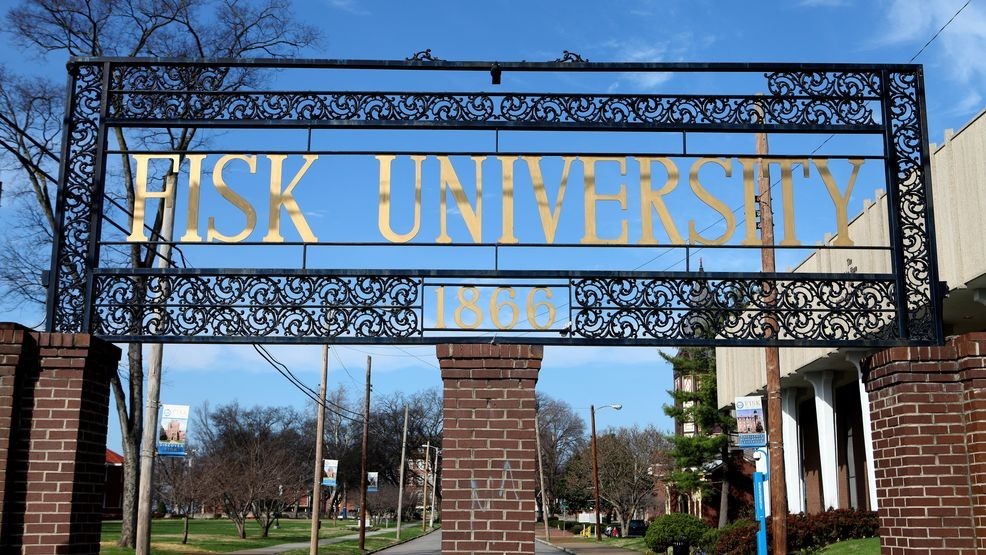
Nashville’s "Music City" moniker can be traced to one of the longest-running musical groups in the world: the Fisk Jubilee Singers.It began in 1866, when missionaries opened Fisk University, becoming the first American university to offer a liberal arts education to young men and women regardless of race.
But five years later, the school faced a financial crisis. Enter music professor George L. White, who formed a nine-member a cappella choral ensemble of students and took them on tour to raise money for the university. They left campus on Oct. 6, 1871 — a date worth remembering.
The group performed in small towns, often facing both support and scorn. Unlike popular performers of the time, they did not sing in the traditional minstrel style; instead, they performed rich spirituals and classical music. After weeks on the road — and donating much of what little money they earned to help others — the singers were exhausted.
To lift their spirits, White turned to the Old Testament, referencing the “Year of Jubilee.” That inspiration led him to name the group the Jubilee Singers. Word of their talent spread beyond the United States and across the Atlantic. The group was invited to perform in Europe, including before Queen Victoria.
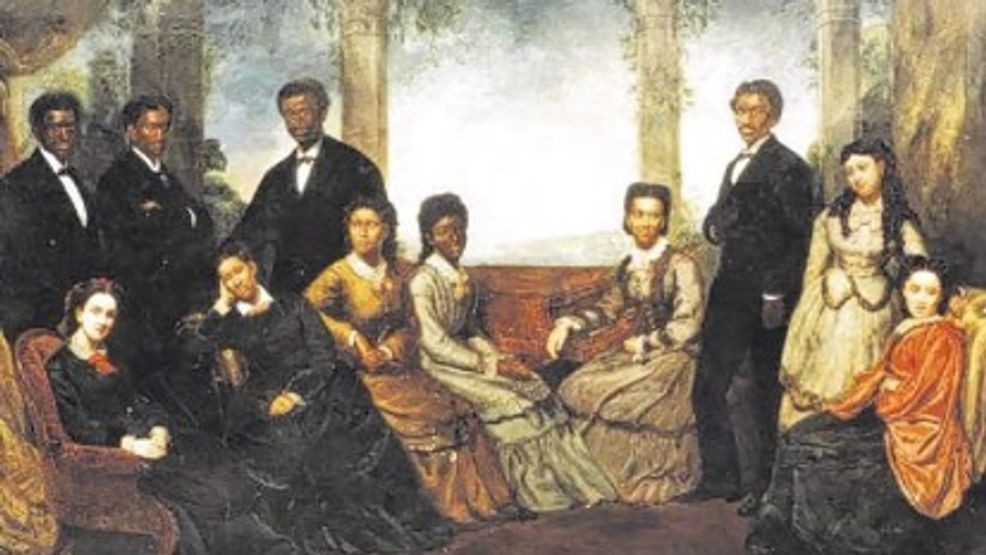
It is said the queen was so impressed that she asked where the singers were from. When they replied, Nashville, Tennessee, she remarked, "It must be a music city." Their performance brought her to tears. To thank them, she commissioned a painting of the singers, which can be found in a place of honor on the Nashville campus to this day.
From that moment on, Nashville would forever be known as Music City. American literary Icon Mark Twain is quoted as saying this after one of their performances: "I do not know when anything has so moved me as did the plaintive melodies of the Jubilee Singers. I would walk seven miles to hear them sing again... " The Fisk Jubilee Singers still perform today, more than 150 years after their fundraising journey began. Remember that departure date — Oct. 6, 1871? Each year on Oct. 6, Jubilee Day is celebrated to honor those original nine students.
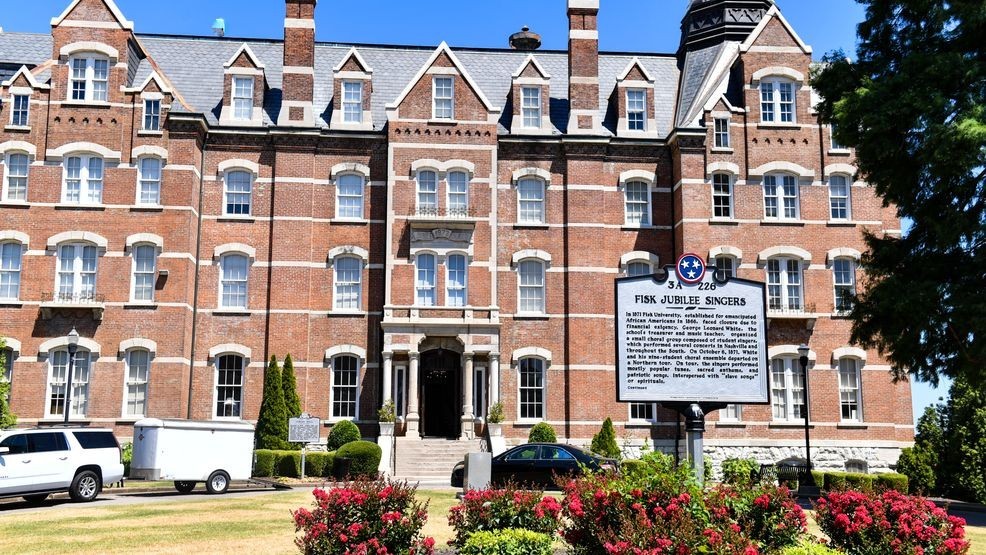
The singers raised $150,000 — roughly $4 million today — money that was used to build Jubilee Hall. Opened in 1876, it became the first permanent building on Fisk University’s campus and still stands today.
For more amazing stories, click here to subscribe to Amazing America TV on YouTube and follow us on Instagram, TikTok, and Facebook.