Please ensure Javascript is enabled for purposes of website accessibilitySkip to main content
1/3
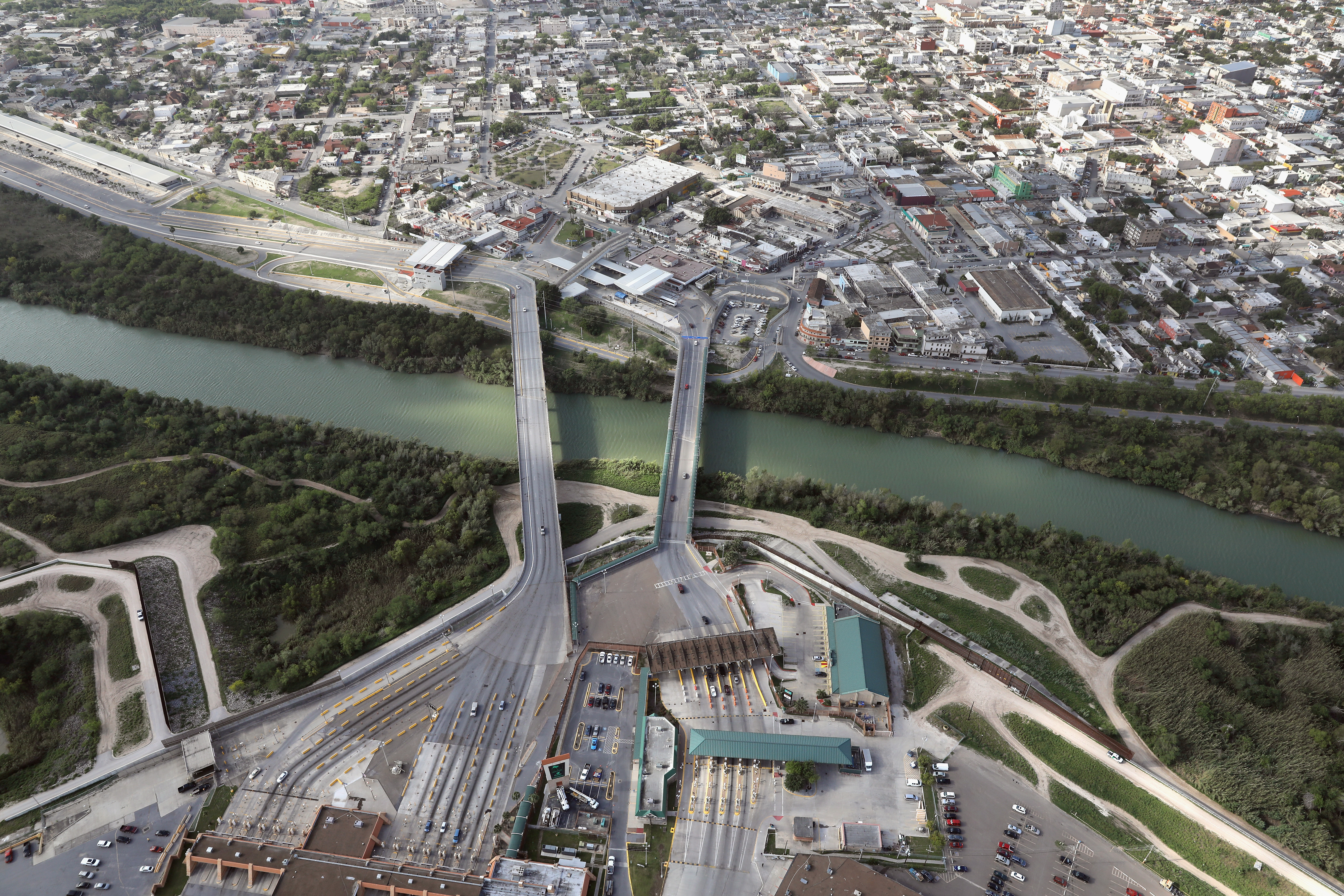
HIDALGO, TX - MARCH 16:  The Rio Grande flows under an international crossing between the United States and Mexico (top), on March 16, 2017 in Hidalgo, Texas. U.S. Customs and Border Protection announced that illegal crossings along the southwest border with Mexico dropped 40 percent during the month of February.  (Photo by John Moore/Getty Images)
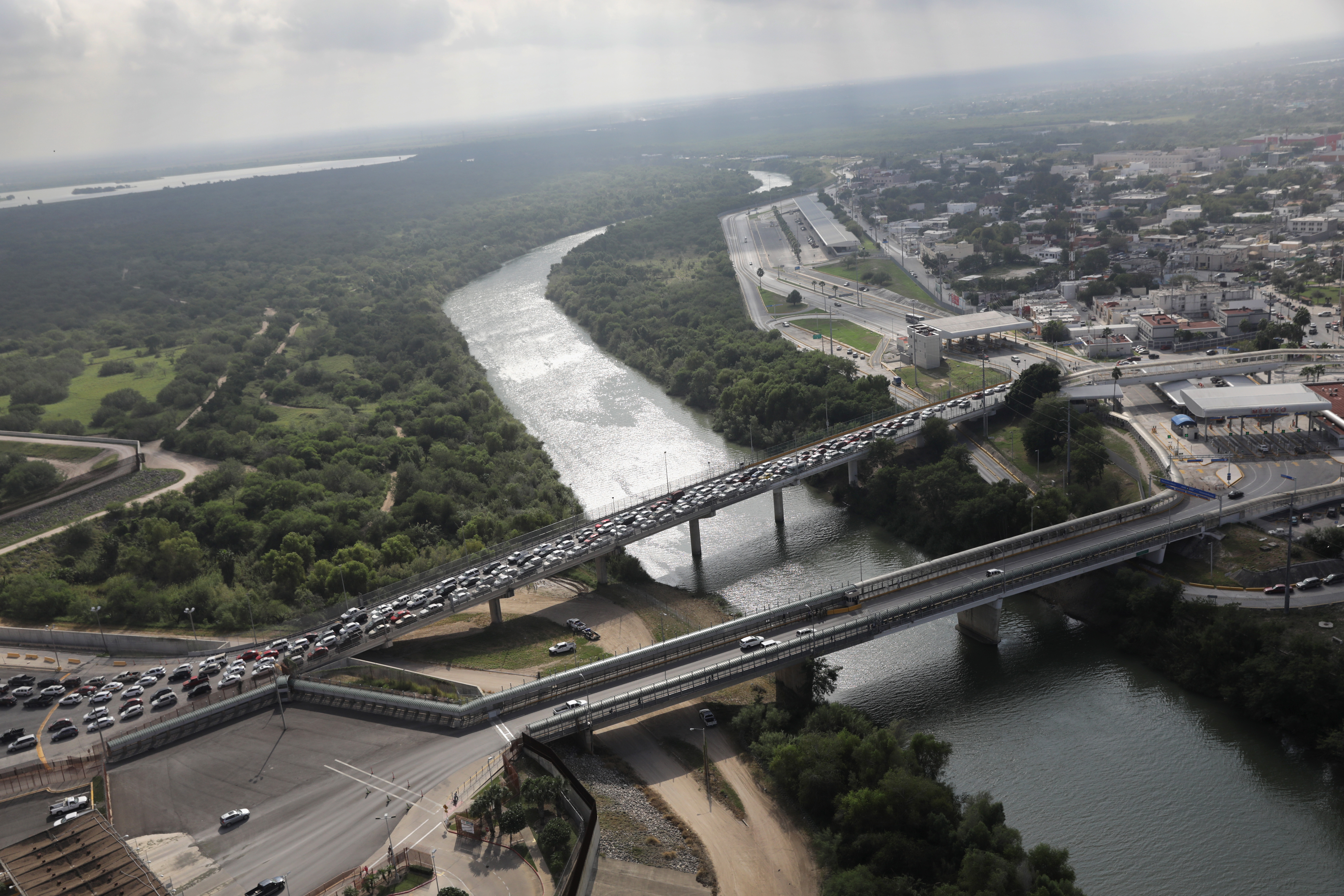
HIDALGO, TX - NOVEMBER 07:  Traffic waits on the international bridge to cross into the United States at the U.S.-Mexico border on November 7, 2018 in Hidalgo, Texas. U.S. Army troops placed razor wire on and under the bridge, which spans the Rio Grande, weeks ahead of the possible arrival of a migrant caravan.  (Photo by John Moore/Getty Images)
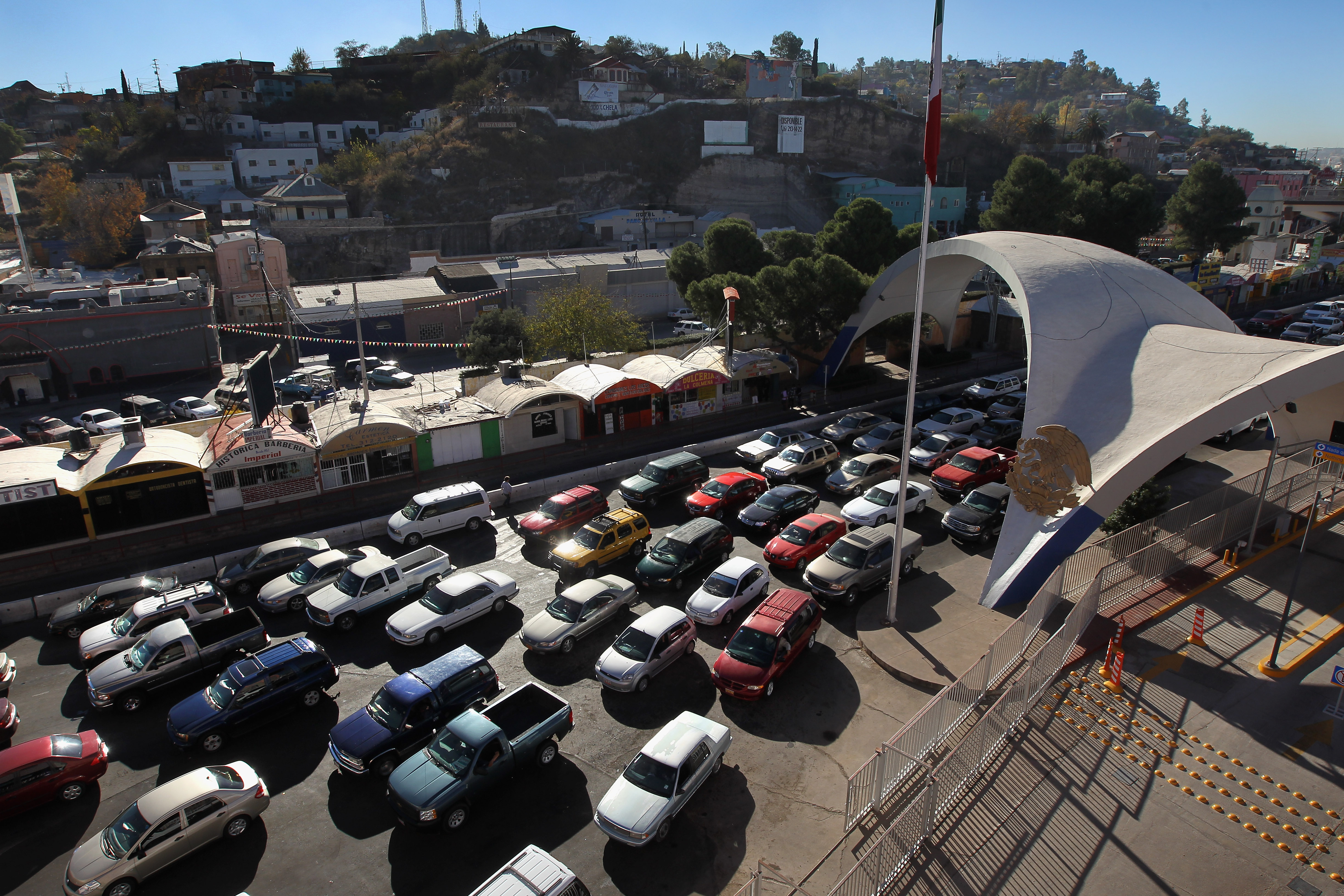
NOGALES, AZ - DECEMBER 10:  Hundreds of cars wait to pass from Mexico into the United States at the border crossing on December 10, 2010 in Nogales, Arizona. Despite Arizona's tough immigration enforcement laws, thousands of Mexican citizens have permits to work in the U.S. and commute daily from their homes across the border in Mexico. Border crossings, known as "ports of entry," are run by the U.S. Office of Field Operations, which is part of the department of U.S. Customs and Border Protection. Port personnel are the face at the border for most visitors and cargo entering the United States and are authorized to stop, question, search and examine everyone entering the country.  (Photo by John Moore/Getty Images)

Immigration decline & slowing population growth likely to impact congressional maps

HIDALGO, TX - MARCH 16: The Rio Grande flows under an international crossing between the United States and Mexico (top), on March 16, 2017 in Hidalgo, Texas. U.S. Customs and Border Protection announced that illegal crossings along the southwest border with Mexico dropped 40 percent during the month of February. (Photo by John Moore/Getty Images)